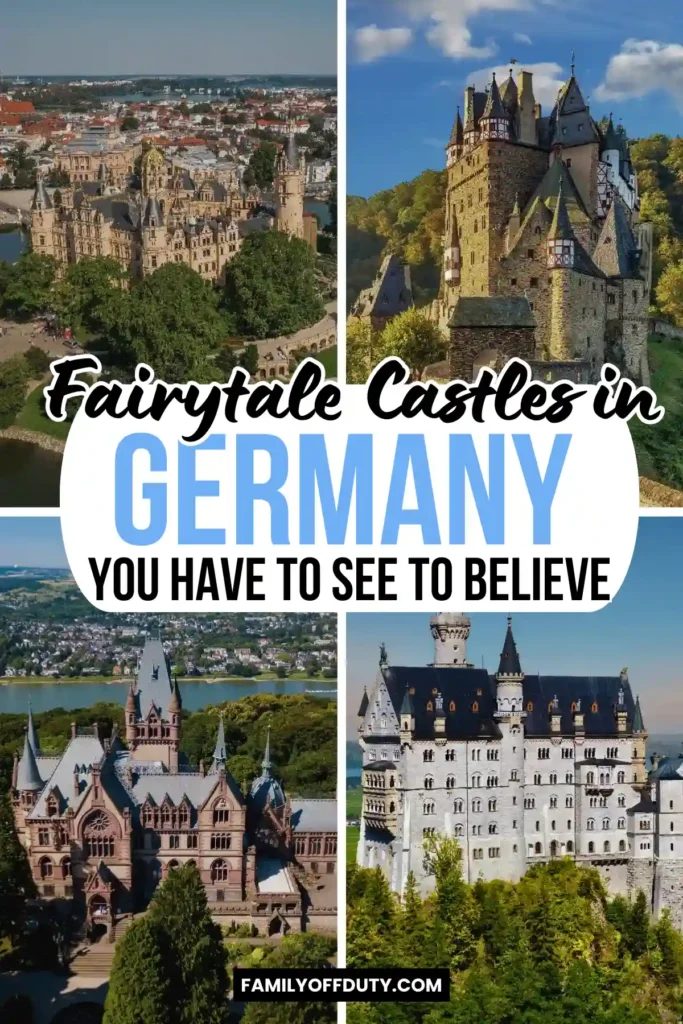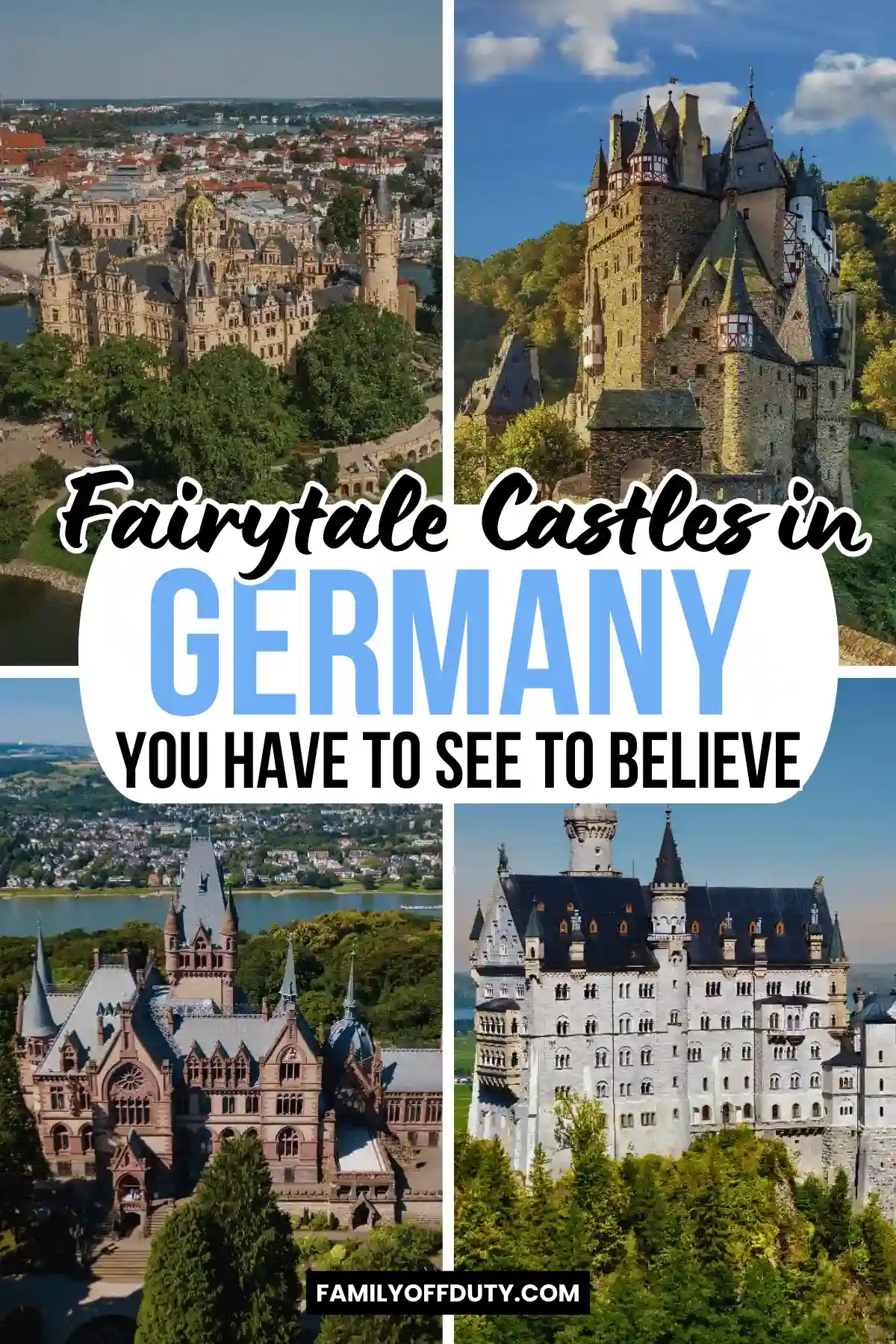
Germany is home to an estimated 25,000 castles, more than almost anywhere else in the world, and picking just a few to see can feel overwhelming.
This list cuts through that, pulling together the ones that are genuinely worth the trip, from well-known icons like Neuschwanstein to quieter spots most visitors never make it to.
TRAVELING SOON?
Here are my recommended travel resources:
- Book flights: Expedia & Kayak
- Hotels & Accomodation: Booking.com, Hotels & VRBO
- Tours & Activities: GetYourGuide
- Compare Car Rentals: Discover Cars
- Travel Essentials: Ultimate Europe Packing List For Spring
Fairytale Castles in Germany
Explore Germany’s most enchanting real castles, wander through a romantic castle garden, visit the legendary castle Neuschwanstein, discover a true Bavarian castle, and experience a stunning magical castle straight from a fairytale.
Burg Eltz
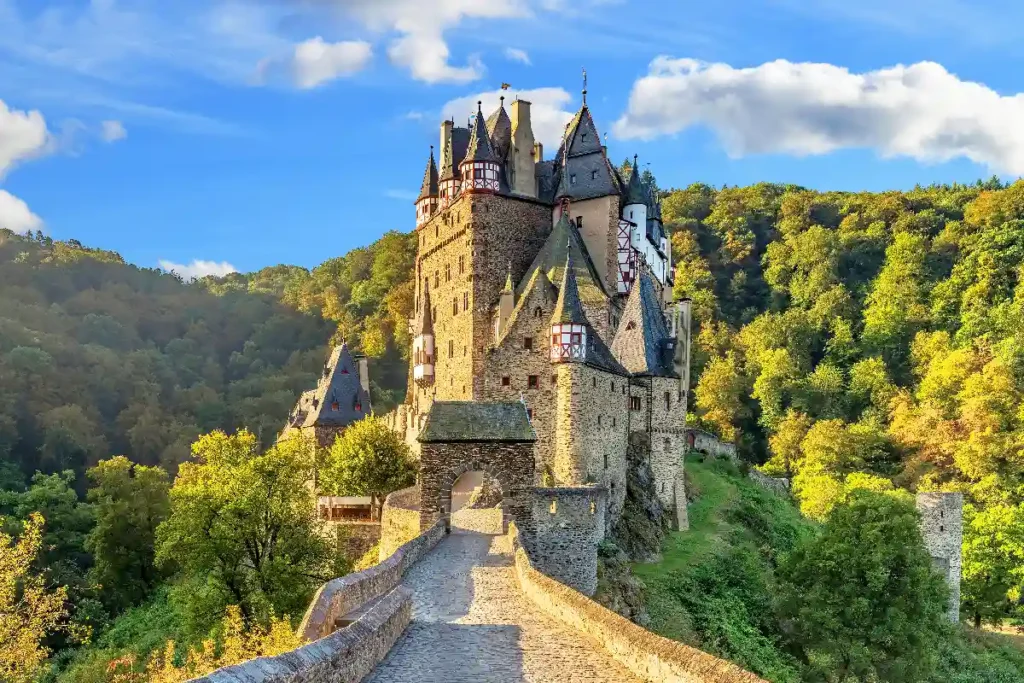
Burg Eltz has been in the same family for over 33 generations, and it shows. Tucked into the Eltz forest near Wierschem, it sits in a valley as if it was never meant to be found, which is part of what makes it so good.
Why this place: The castle is remarkably well preserved and the setting does a lot of the work. You get thick forest, old stone and almost no crowds compared to the bigger German castles.
Who this place is best for: Good for families, history lovers and anyone who wants a proper day out in nature without the tourist circus.
Pros & cons: The walk in is lovely and the history is genuinely interesting. Photography inside the castle isn’t allowed, which is worth knowing before you go.
Location: Wierschem, Germany. You can walk in along a forest footpath or drive down a winding road.
Best time to visit: Late March to early November when the castle is open daily.
Schloss Neuschwanstein
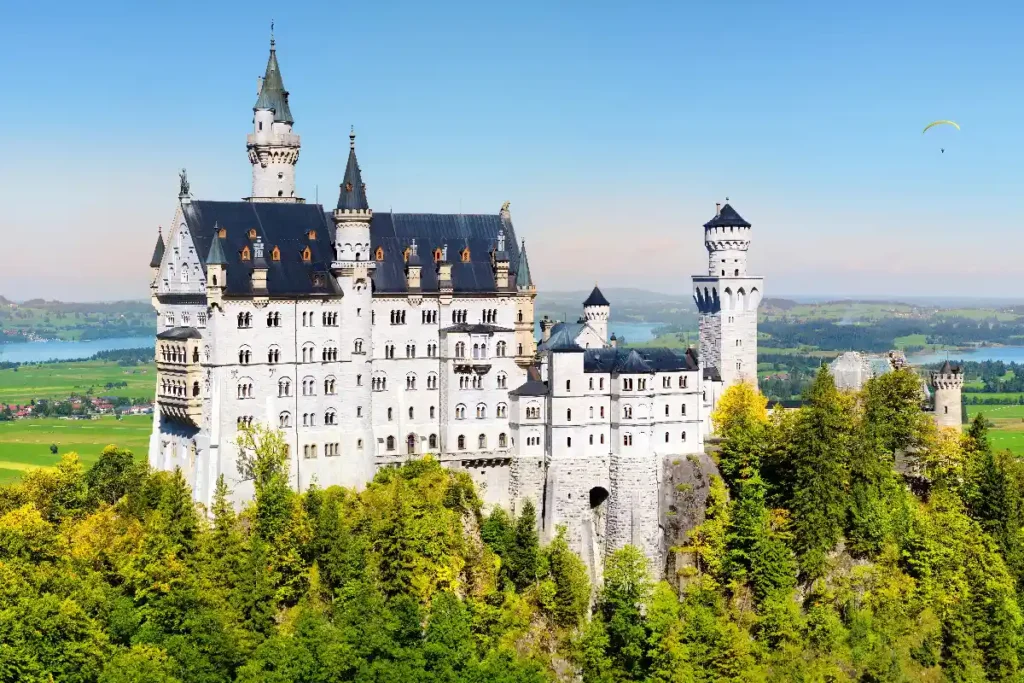
Schloss Neuschwanstein was commissioned by King Ludwig II and sits in the Bavarian Alps near Füssen. It is one of the most visited castles in the world, and the views from the surrounding hillside make it clear why.
Why this place: The architecture is unlike anything else in Germany, and the Alpine backdrop makes every photo look like it was staged.
Who this place is best for: Families, couples, architecture fans. Anyone visiting Bavaria will likely end up here at some point.
Pros & cons: The setting is hard to beat. It gets very busy and tickets need to be booked in advance, especially in summer.
Location: Bavaria, close to Füssen in southern Germany.
Schloss Hohenzollern
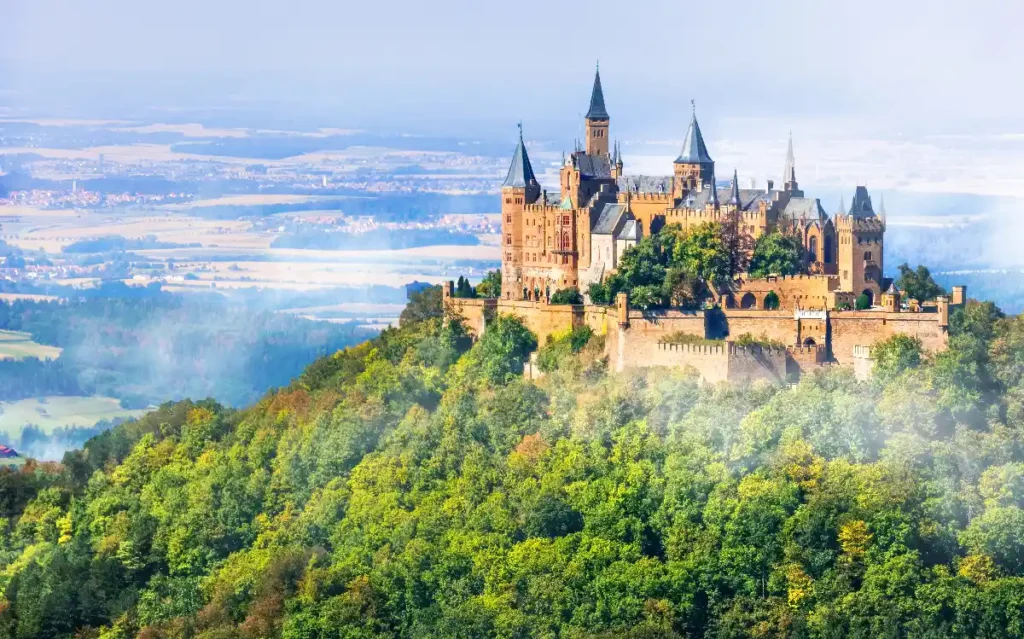
Schloss Hohenzollern sits on a hill in Baden-Württemberg and has been the ancestral home of the Hohenzollern family for centuries. The views from the top stretch out over the surrounding countryside on a clear day.
Why this place: It mixes medieval and romantic architecture in a way that feels more interesting than a lot of German castles, and the guided tours cover a lot of ground.
Who this place is best for: History fans, people who enjoy a bit of a hike and families looking for a full day out.
Pros & cons: The views are worth the trip up. It can get busy in peak season and the walk to the top is not for everyone.
Location: Baden-Württemberg, reachable by car or on foot via hiking trails.
Best time to visit: Spring or fall when the air is clear and the paths aren’t packed.
Schloss Schwerin
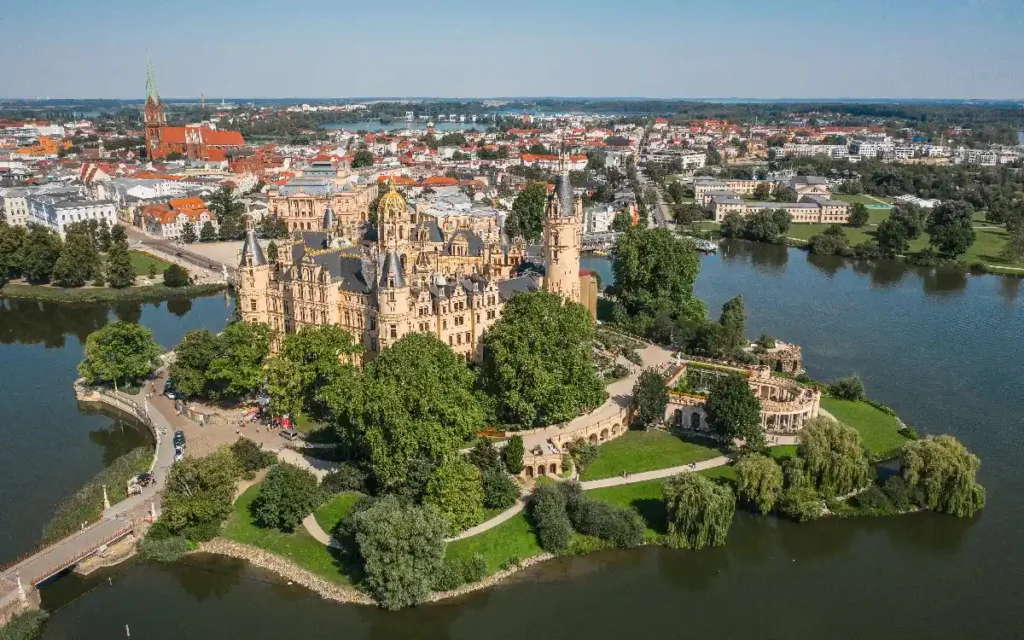
Schloss Schwerin sits on a small island in the middle of Schweriner See lake in northern Germany. The site has history going back to the 10th century and the current building is one of the most striking in the country.
Why this place: The combination of the lake, the architecture and the surrounding gardens makes it stand out from most of the castles on this list. It is also less visited than the southern German heavy hitters.
Who this place is best for: Architecture lovers, history buffs and families who want something off the main tourist trail.
Pros & cons: The setting on the lake is genuinely beautiful. It is closed on Mondays and the entrance fee adds up for larger groups.
Location: Schwerin, northern Germany, right on the island in the lake.
Best time to visit: The warmer months when the gardens are open and the lake views are at their best.
Schloss Drachenburg
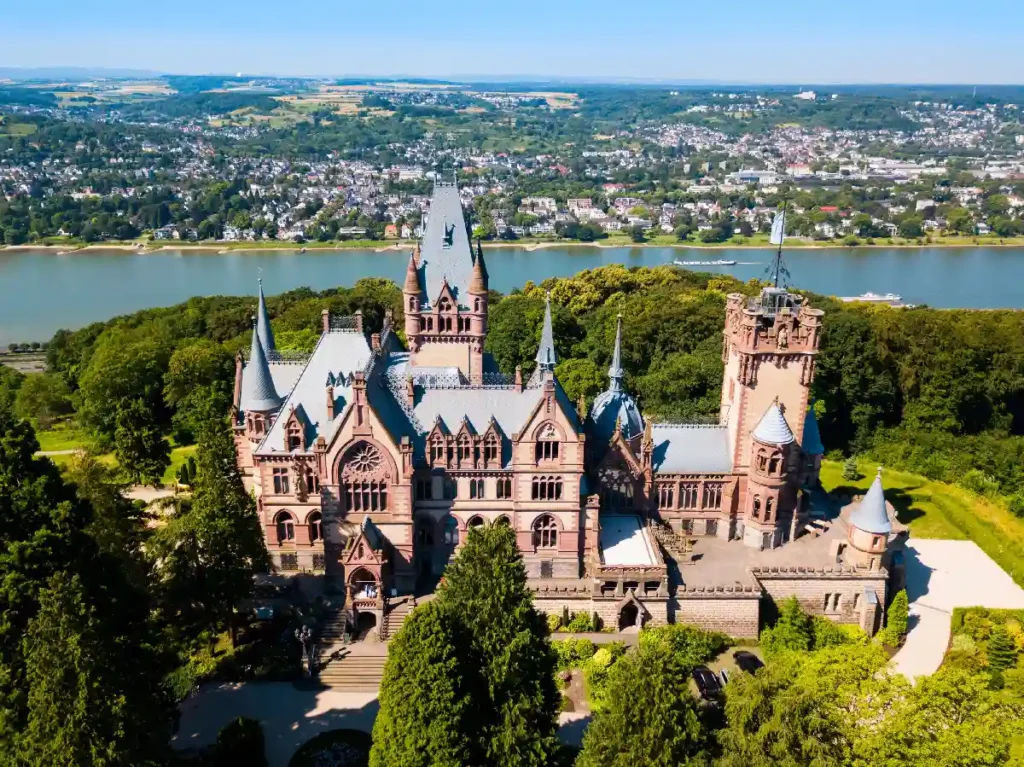
Schloss Drachenburg is a 19th-century castle in Königswinter, just outside Bonn and about 40 minutes by train from Cologne. It sits above the Rhine Valley with a park that is worth the visit on its own.
Why this place: The interiors are well decorated and the park gives you room to slow down and take it all in without feeling rushed.
Who this place is best for: Families, couples and anyone who wants a solid day trip from Cologne or Bonn.
Pros & cons: Good views, a nice park and easy to reach. Gets crowded in peak season.
Location: Königswinter, about 40 minutes from Cologne by train.
Best time to visit: Spring and summer when the gardens are at their best.
Schloss Mespelbrunn
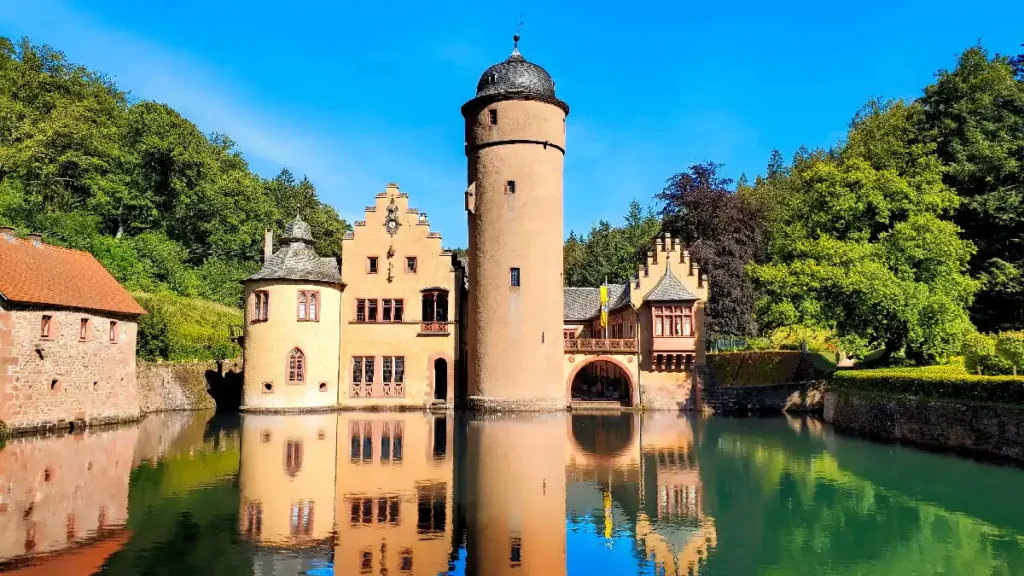
Schloss Mespelbrunn is a moated castle from the 15th century, set in the forest between Frankfurt and Würzburg. It is one of the quieter spots on this list and feels a long way from the bigger tourist sites.
Why this place: The setting is peaceful and the castle is well preserved. If you want to see a German castle without the crowds, this is a good one to know about.
Who this place is best for: Families, history fans and anyone who wants a slower, quieter day out.
Pros & cons: The forest surroundings and the moat make it feel genuinely removed from everyday life. Photography isn’t allowed inside and it is best reached by car.
Location: Between Frankfurt and Würzburg in central Germany, surrounded by forest.
Best time to visit: Spring to early autumn when the grounds are open and the scenery is at its best.
Wartburg Castle
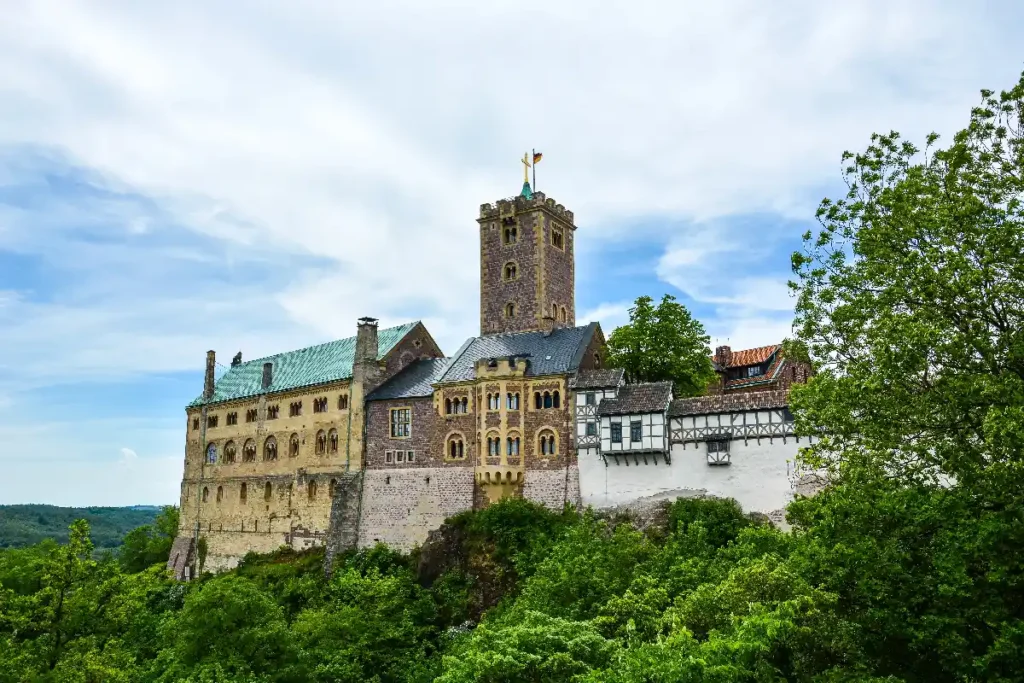
Wartburg Castle sits on a hill above Eisenach in Thuringia. It is where Martin Luther translated the New Testament into German between 1521 and 1522, one of the most consequential acts in the history of the Reformation.
Why this place: Few buildings in Germany carry this much historical weight. The architecture spans medieval, Renaissance and Romantic periods, and the story of the place goes well beyond Luther.
Who this place is best for: History buffs, anyone interested in the Reformation or German literature, and families who want something with real substance.
Pros & cons: Rich history and good guided tours. Busy in peak season and some areas have limited accessibility.
Location: On a hill outside Eisenach, Thuringia, reachable by car or public transport.
Best time to visit: Spring and early fall when it is less crowded and the forest around it looks good.
Schloss Lichtenstein
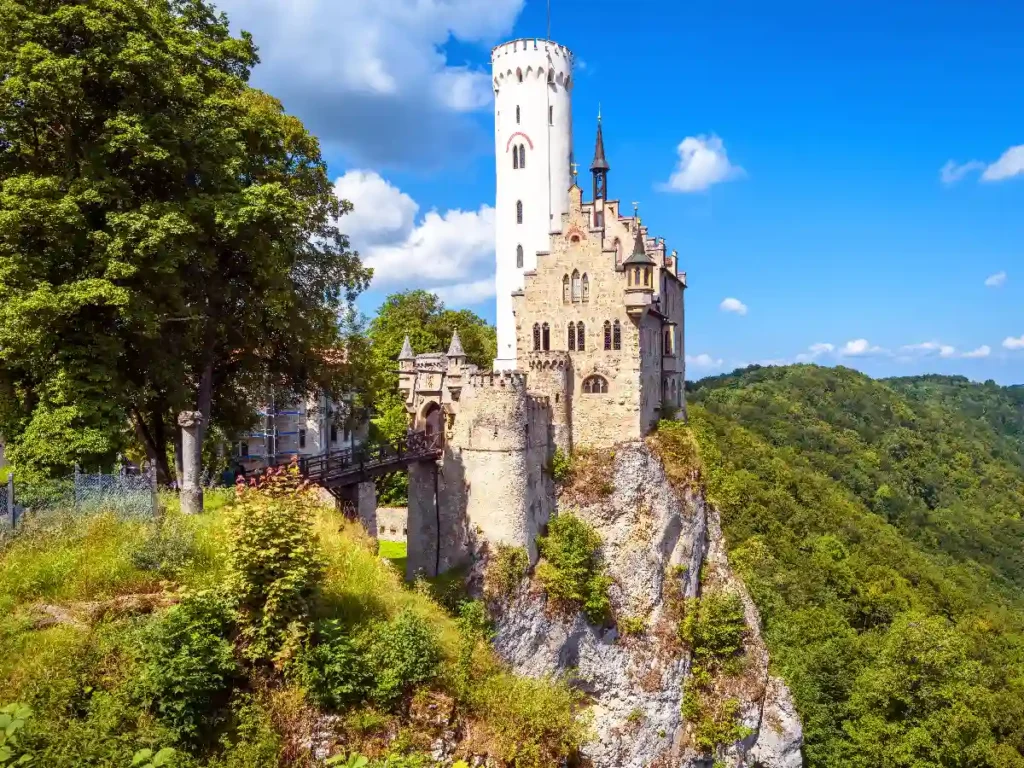
Schloss Lichtenstein is a Gothic revival castle from the 1840s, perched on a cliff edge in Baden-Württemberg near Reutlingen. It was inspired by Wilhelm Hauff’s 1826 novel of the same name, which gives it a literary history on top of the architectural one.
Why this place: The position on the escarpment is dramatic and the interiors on the guided tour are worth seeing. There are also hiking trails nearby if you want to make a full day of it.
Who this place is best for: Families, history lovers and anyone who enjoys a good view and some context behind what they are looking at.
Pros & cons: Striking architecture and a good tour. Parking can be a problem in busy periods.
Location: Baden-Württemberg, near Reutlingen, easy to reach as a day trip.
Best time to visit: Spring and early fall for the best light and fewer crowds.
Burg Cochem
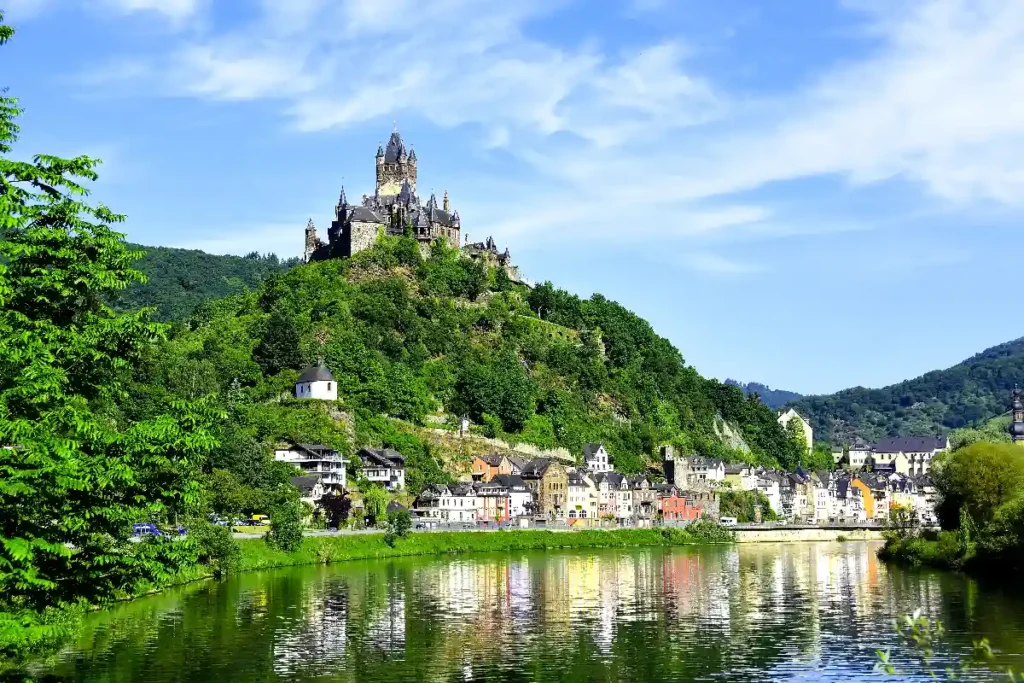
Burg Cochem sits high above the Moselle River in the town of Cochem, surrounded by vineyards. It is one of the most photogenic castles in Germany and the town below is worth a few hours too.
Why this place: The views over the river and the valley are hard to beat, and the interior holds up well on a guided tour.
Who this place is best for: History buffs, nature lovers and anyone after a romantic setting. Families will get a lot out of the guided tours too.
Pros & cons: Great views and well-preserved interiors. Busy in peak season so timing matters.
Location: Cochem, Germany, on the Moselle River surrounded by wine country.
Best time to visit: Late spring or early fall when the vineyards are either in full growth or harvest and the crowds are manageable.
Sanssouci Palace
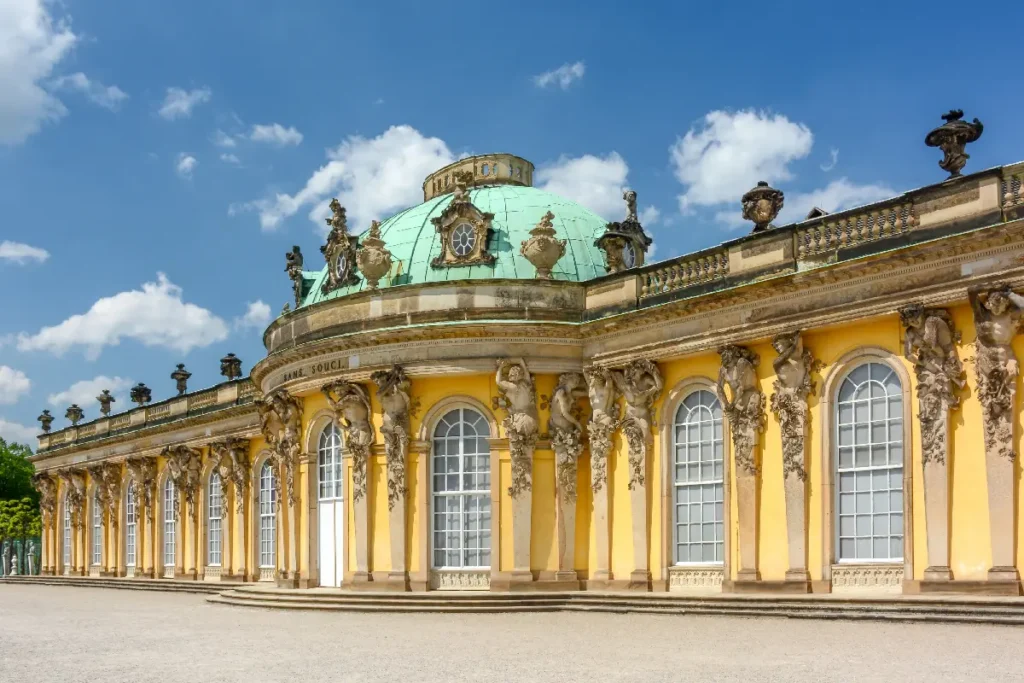
Sanssouci Palace in Potsdam was built in the 18th century as a summer residence for Frederick the Great. The Rococo architecture and the terraced gardens that step down from the palace make it one of the most distinctive royal sites in Germany.
Why this place: The gardens alone are worth the trip. Combined with the palace interiors and the broader park, it is a full day out with a lot to take in.
Who this place is best for: Families, couples and anyone with an interest in royal history or garden design.
Pros & cons: Beautiful grounds and a rich history. Busy in summer and some areas have limited accessibility.
Location: Potsdam, about 25 km from Berlin, easy to reach by train from the city.
Best time to visit: Spring and summer when the gardens are open and at their best.
Fairytale Germany Castles
Germany’s castles aren’t in short supply, but the ones on this list are the kind that stick with you. Take your time with them, go early when you can and don’t rush from one to the next.