
Paris is known for its extensive contributions to global culture and this is clearly reflected in its range of museums, monuments and performance venues that you’ll find in the city.
This guide highlights 14 locations that collectively illustrate the artistic and historical evolution of the city. Whether your interest lies in classical painting, sculpture, modern installations or centuries-old architecture, these sites offer direct insight into France’s creative and political heritage.
Let me walk you through these spots that any culture obssessed traveler will love to check out.
Art & History Spots In Paris
The Louvre
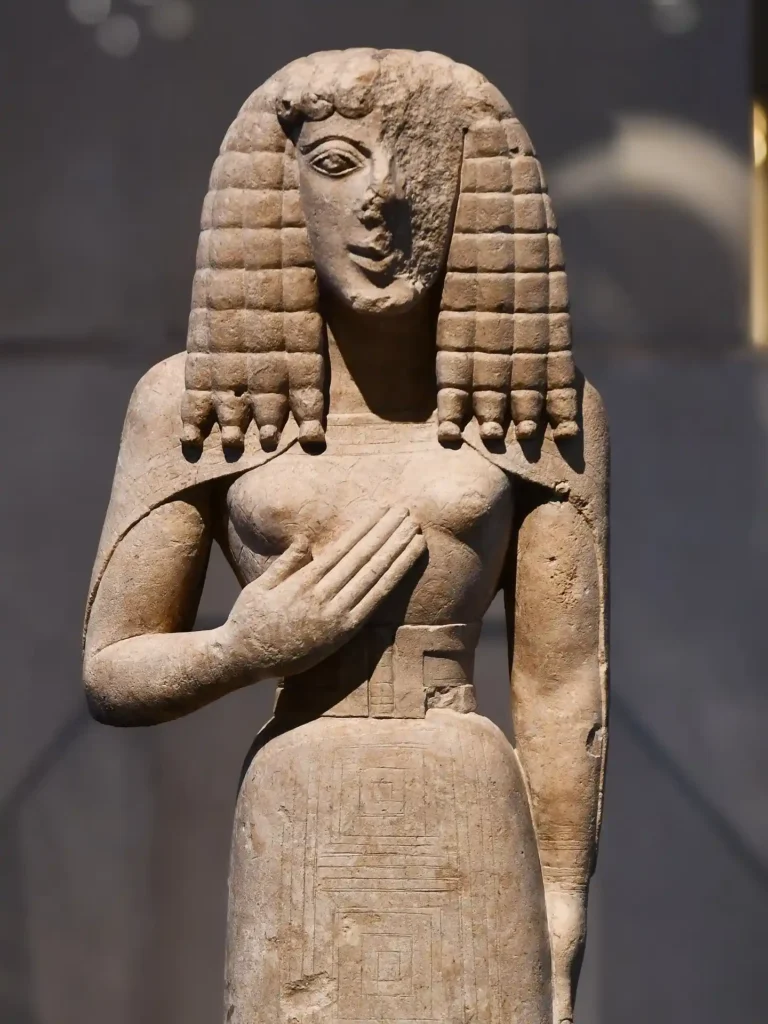
The Louvre is one of the most prominent museums in the world and holds an expansive collection that spans ancient history to the 19th century.
Walk through the glass pyramid into the halls where masterpieces like Venus de Milo stands still and Mona Lisa draws the crowd. But the museum also contains vast sections dedicated to Egyptian antiquities, Islamic art and European painting.
Musée d’Orsay
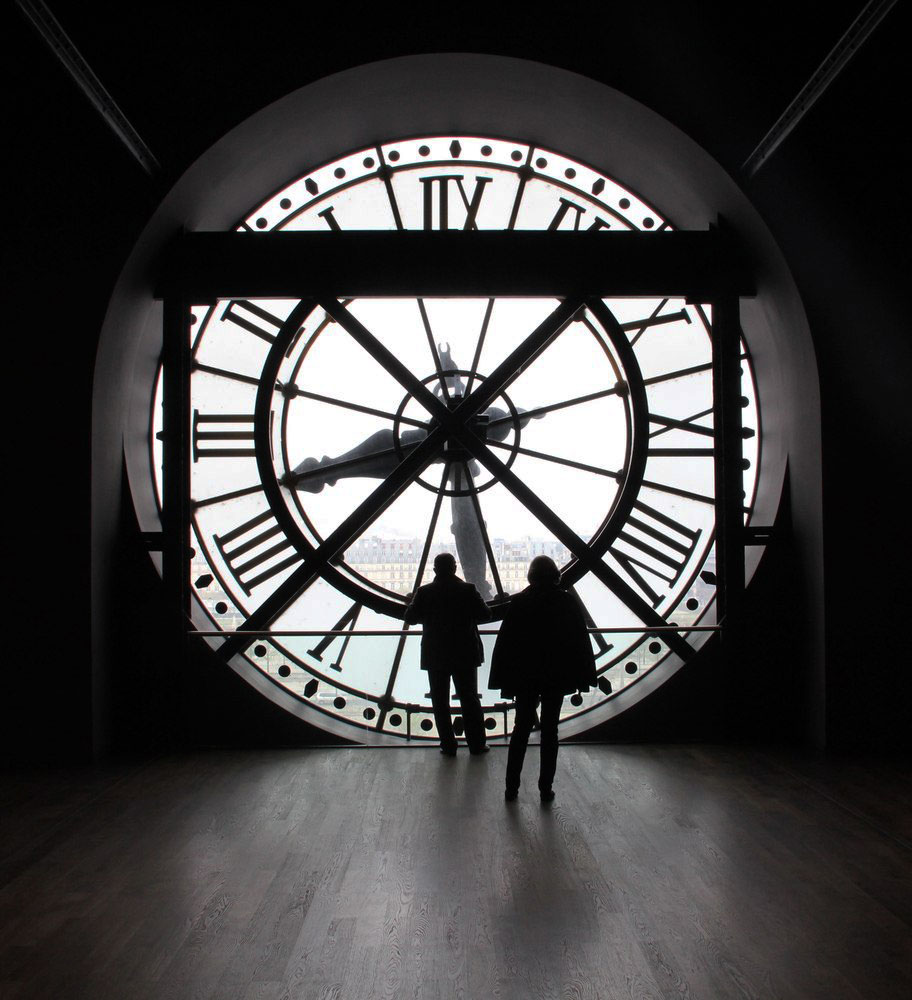
Housed in a converted railway station, the Musée d’Orsay focuses on art from 1848 to 1914, covering key developments in modern Western art.
The museum features extensive collections of Impressionist and Post-Impressionist works, including paintings by Monet, Van Gogh, Manet and Degas. The layout of the museum allows visitors to follow a chronological path through various styles and movements, offering context and comparison.
The building itself contributes to the experience, with original industrial features retained alongside traditional museum design. It’s a great pick for anyone interested in the origins of contemporary art techniques.
Centre Pompidou
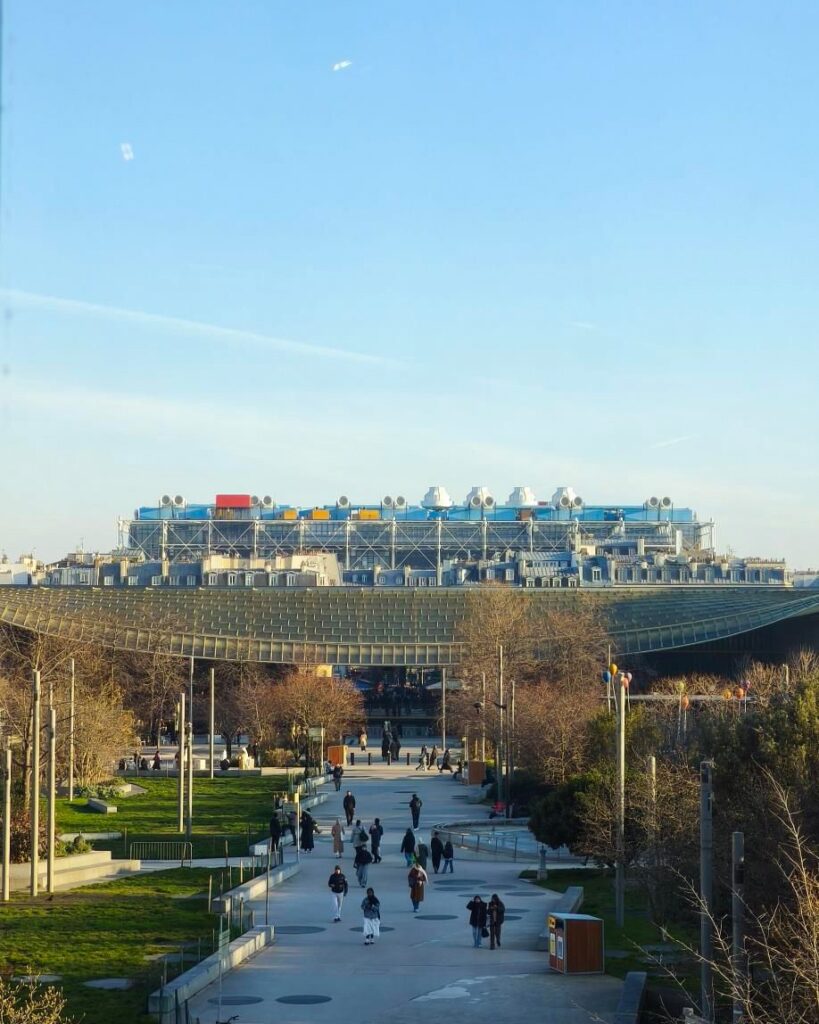
The Centre Pompidou stands out not only for its modern and unconventional architectural design, but also for its commitment to contemporary and 20th-century art.
It houses the National Museum of Modern Art, one of the largest collections of its kind in Europe, with works by artists such as Picasso, Kandinsky and Duchamp. The center also includes temporary exhibitions, a cinema, a public library and performance spaces, positioning it as a multifunctional cultural complex. The rooftop shows the city from a fresh angle as well.
Palais Garnier
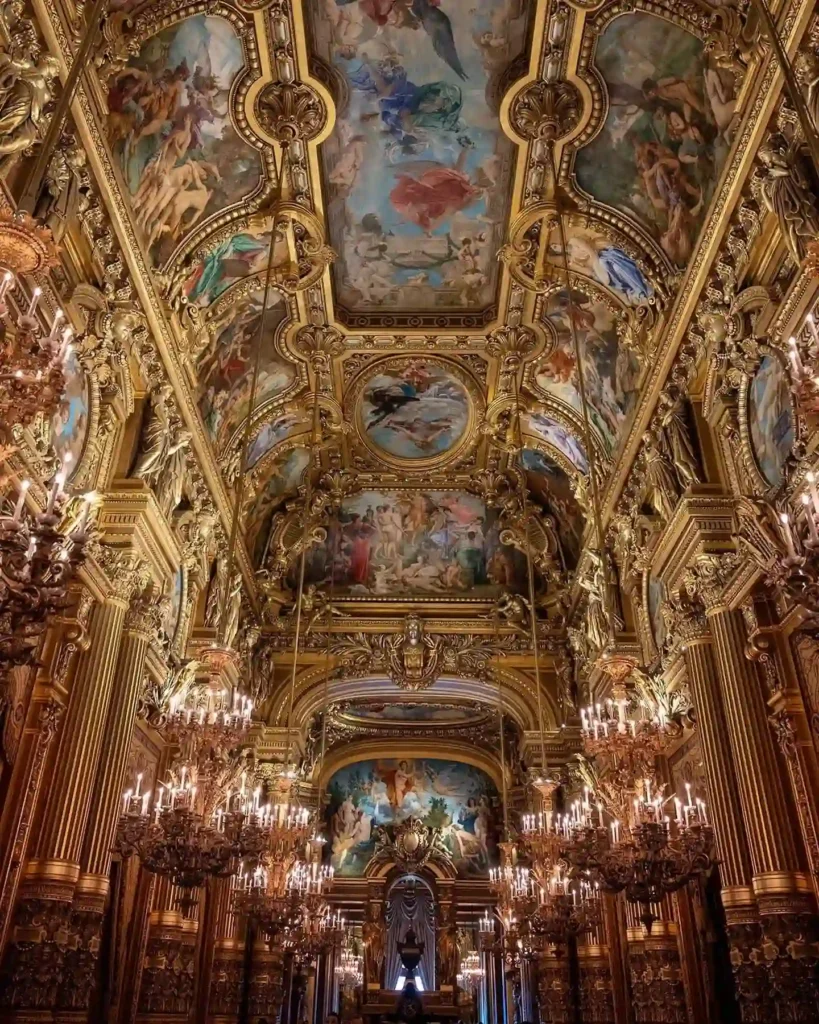
Built in the 19th century, the Palais Garnier is a historic opera house known for its ornate design and importance in French cultural life. Inside, the grand staircase, gilded balconies and Chagall-painted ceiling serve as an example of Beaux-Arts architecture.
The venue continues to host ballet, opera and symphonic concerts. Although smaller than newer venues, its acoustics and interior details provide a traditional setting for high-quality performances. It remains a significant part of Paris’s music scene and also functions as a museum.
Musée de l’Orangerie
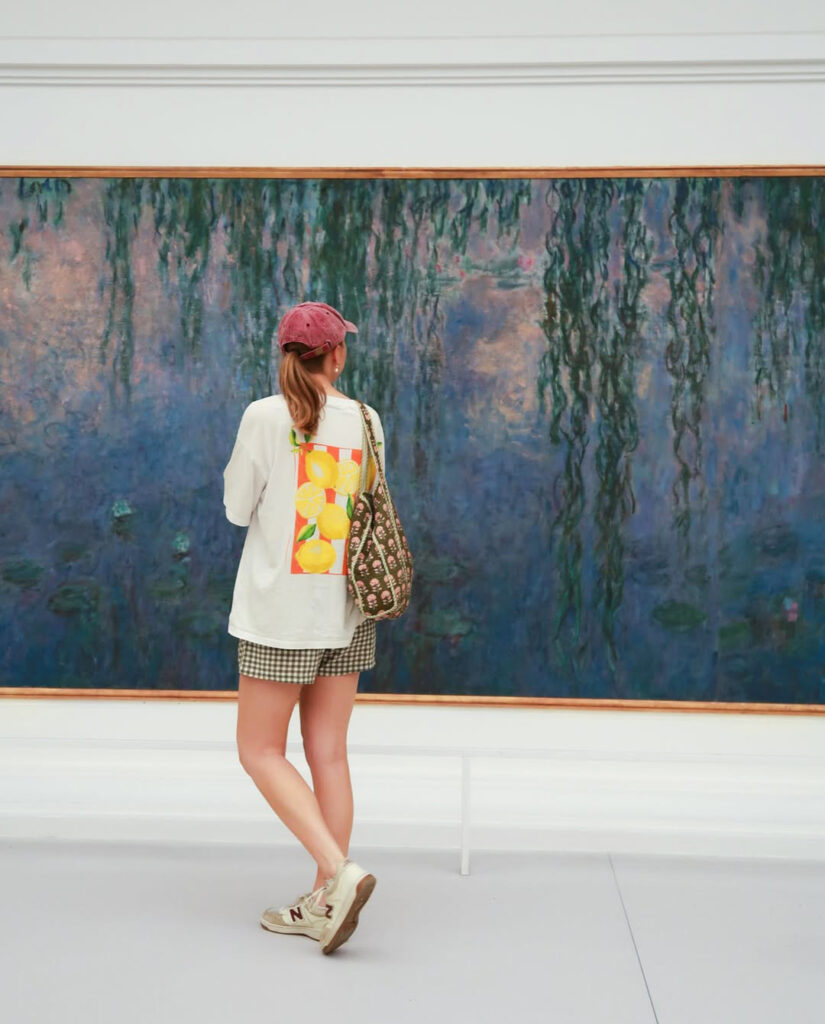
Located at the edge of the Tuileries Garden, the Musée de l’Orangerie is best known for Claude Monet’s Water Lilies series, displayed in specially constructed oval rooms with natural lighting.
The museum also features the Jean Walter and Paul Guillaume collection, which includes works by Modigliani, Picasso and Renoir. The scale and layout of the space allow for close observation of technique and composition.
The Catacombs
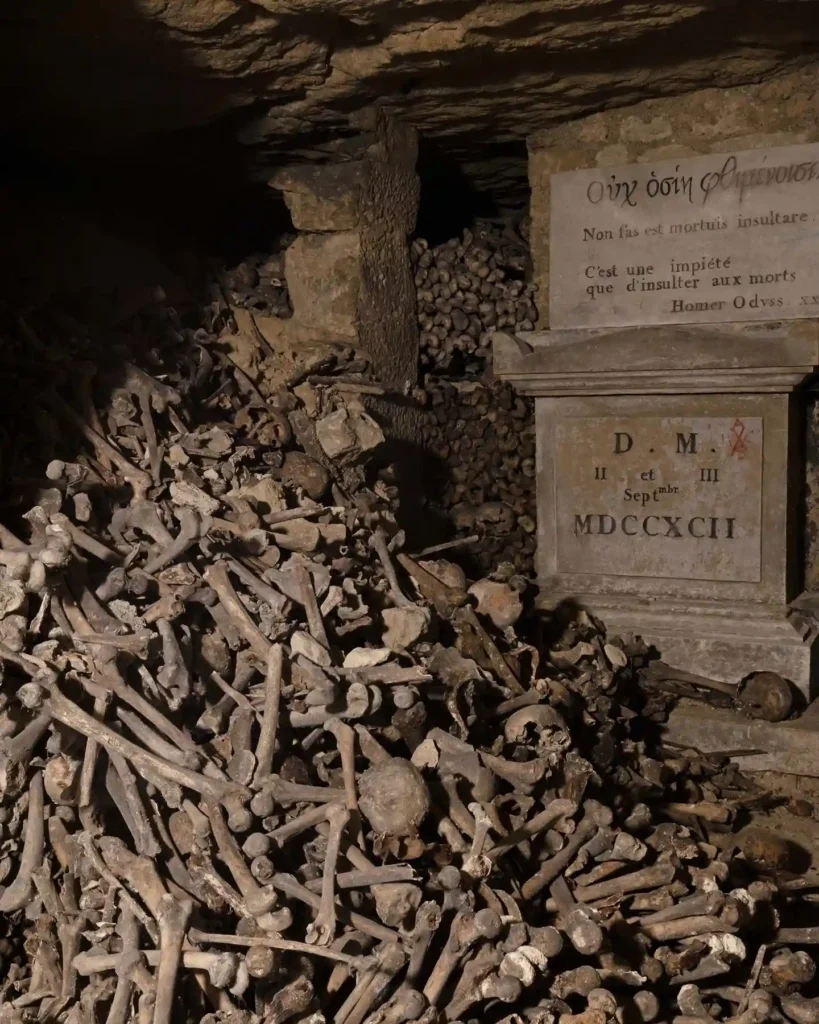
Created in response to the overcrowding of Parisian cemeteries in the late 18th century, the Catacombs store the skeletal remains of approximately six million people. Bones are stacked in geometric patterns along narrow underground tunnels originally carved as stone quarries.
Musée Rodin
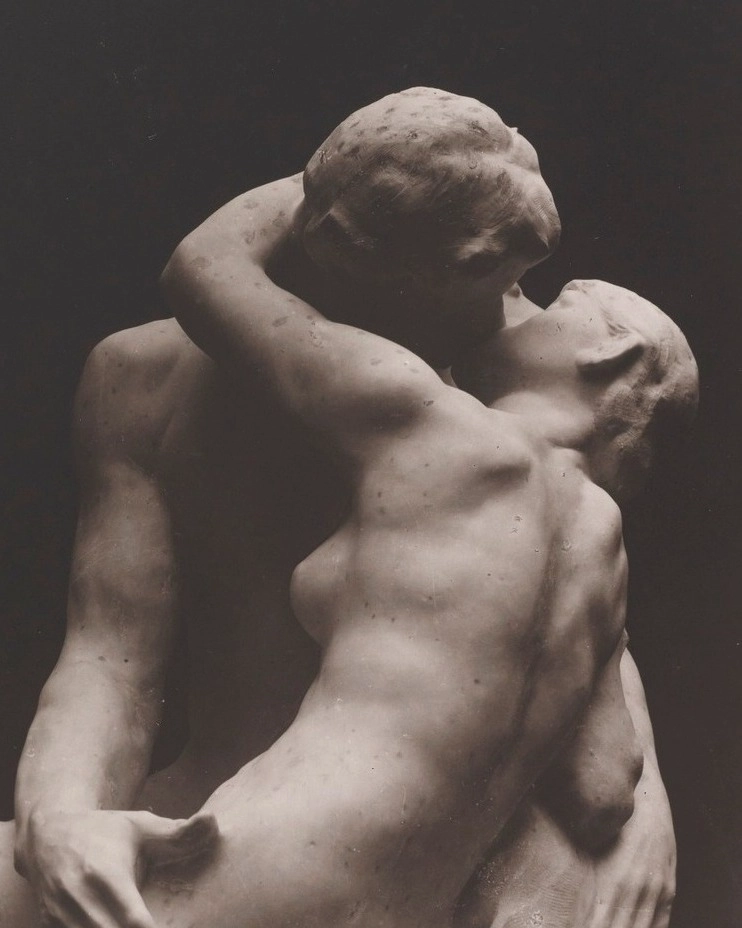
The Musée Rodin is located in the Hôtel Biron, an 18th-century mansion surrounded by sculpture gardens. It features major works by Auguste Rodin such as The Thinker, The Gates of Hell and The Kiss, along with drawings, photographs and pieces by his student and collaborator Camille Claudel.
Musée Picasso
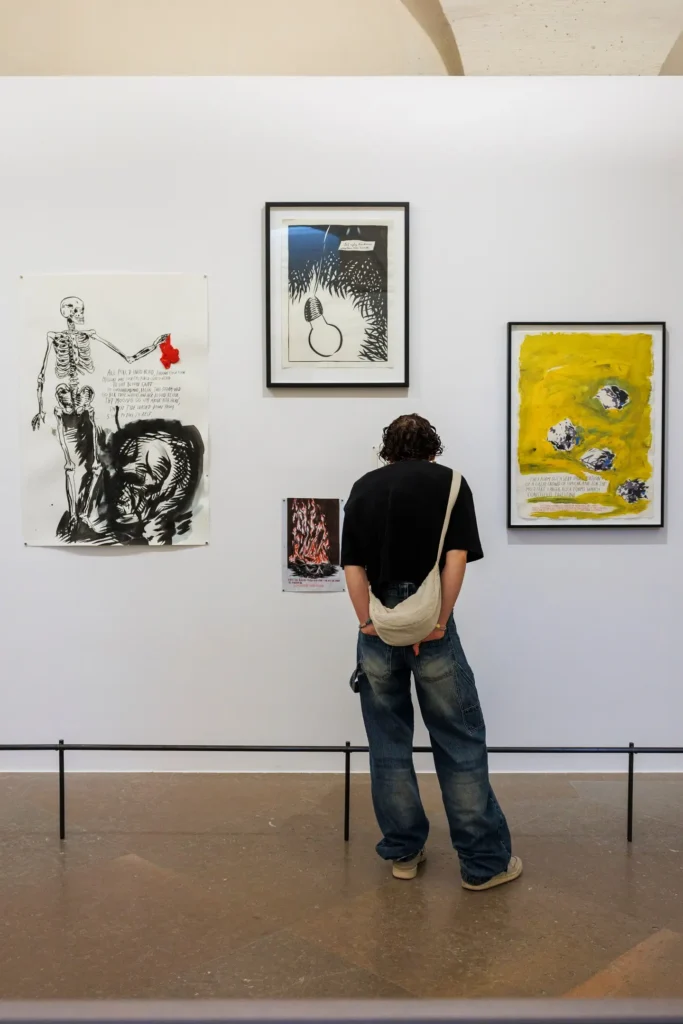
Situated in the Hôtel Salé, the Musée Picasso contains over 5,000 pieces that represent the full span of Pablo Picasso’s career, from early academic works to late-period sculpture and ceramics. The collection includes major pieces such as The Weeping Woman and Les Demoiselles d’Avignon, as well as personal archives, sketchbooks and photographs.
Renovated in 2014, the museum organizes temporary exhibitions focused on specific periods or themes, making it useful for understanding the evolution and variation in Picasso’s work across decades.
The Conciergerie
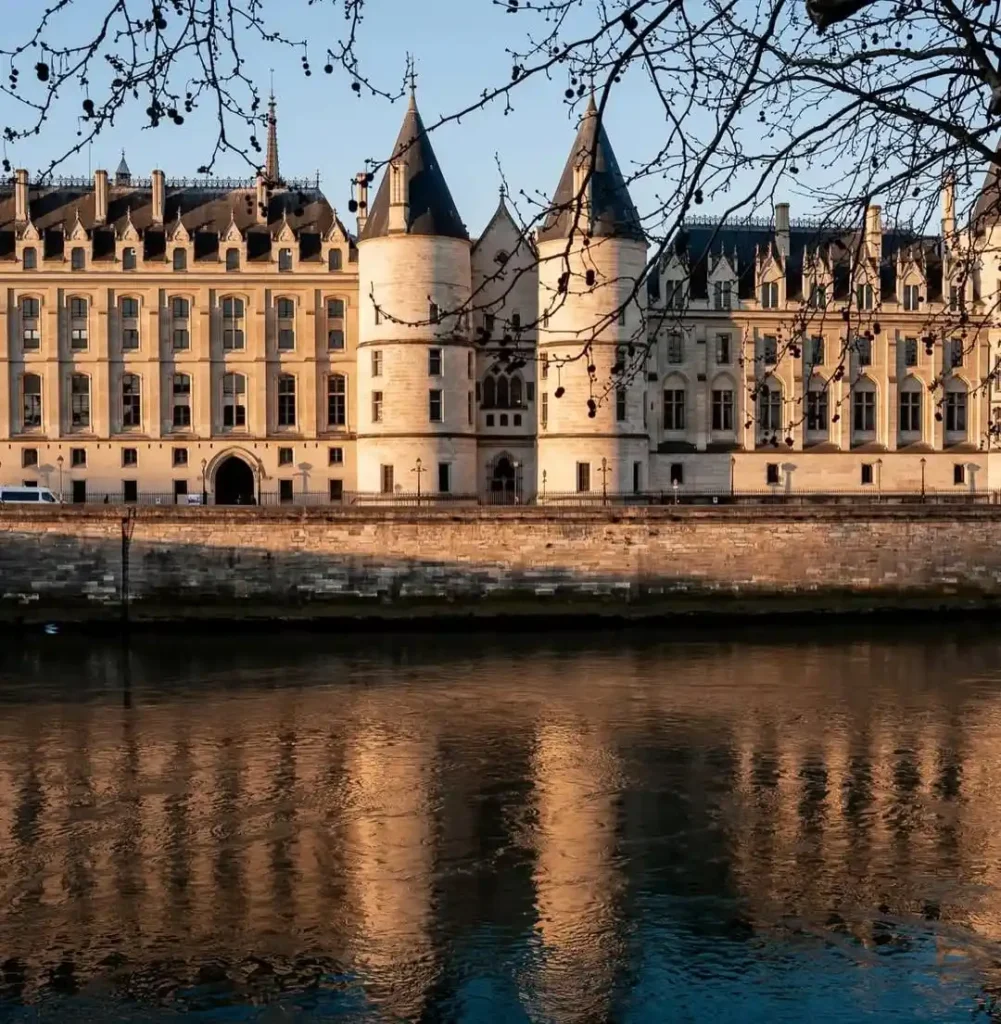
The Conciergerie, originally part of a royal palace complex, became a prison during the French Revolution. It is best known as the place where Marie Antoinette and other figures were held before execution. The building retains Gothic features including vaulted ceilings and large public halls.
Exhibitions focus on judicial history, revolutionary events and prison life. It provides a contrast to other Parisian landmarks by focusing on political history rather than artistic achievement.
Palais de Tokyo
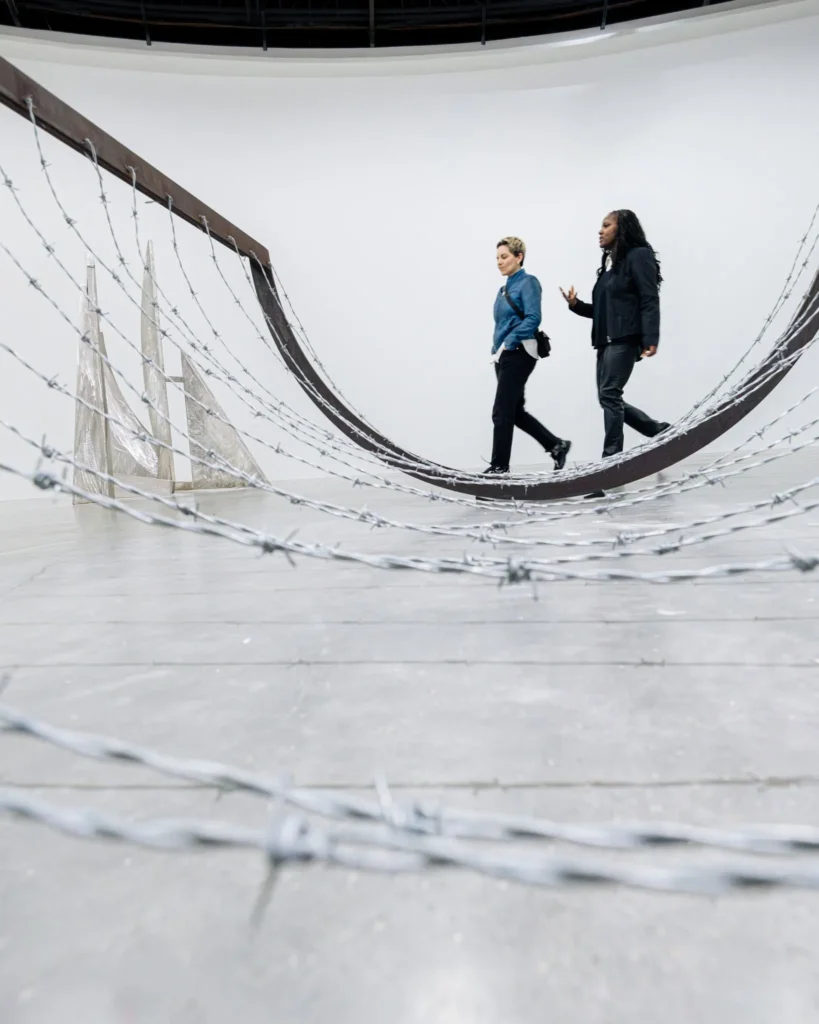
Palais de Tokyo is one of the largest sites for contemporary art in Europe. Its exhibitions emphasize conceptual and experimental work from both established and emerging artists. The building, dating from 1937, includes rough industrial interiors that accommodate large-scale installations.
Notre-Dame Cathedral
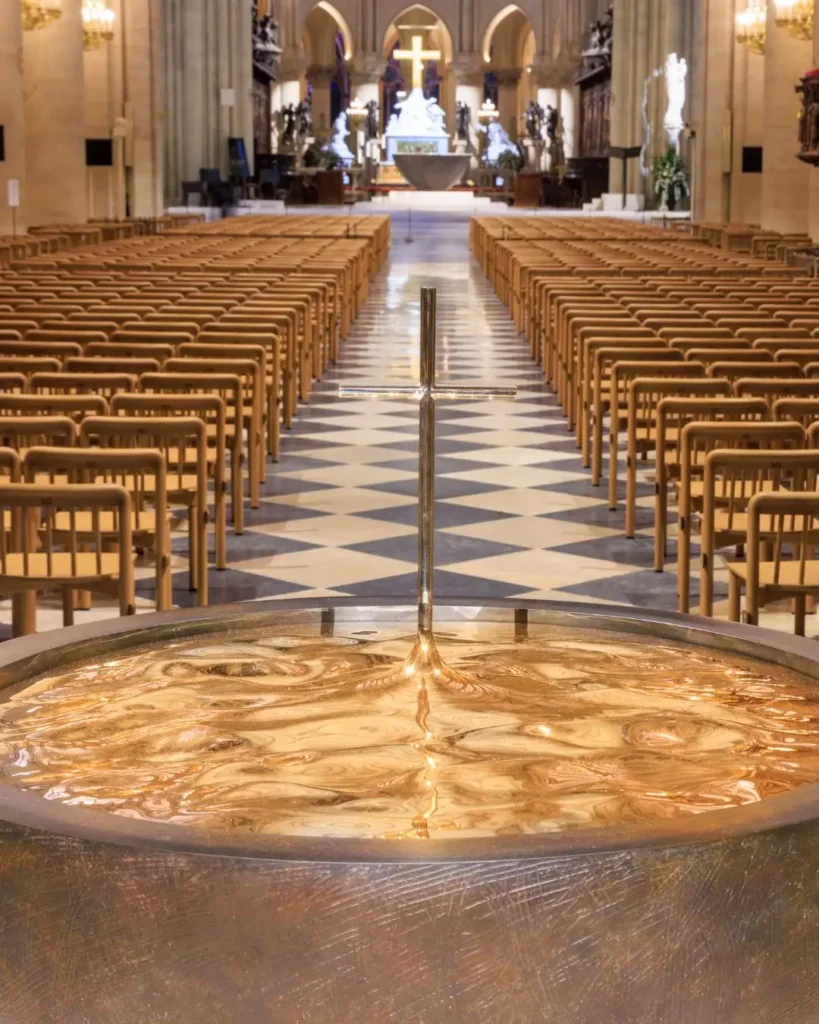
Notre-Dame de Paris is a Gothic cathedral with significant historical and architectural value. Construction began in 1163 and continued for nearly two centuries. It includes flying buttresses, rose windows and a large pipe organ. Though partially damaged by fire in 2019, restoration efforts are ongoing.
The cathedral remains a symbol of Paris and a center for religious and cultural activity. Climbing the towers provides views of the city and reveals close details of its sculptural elements.
Cluny Museum
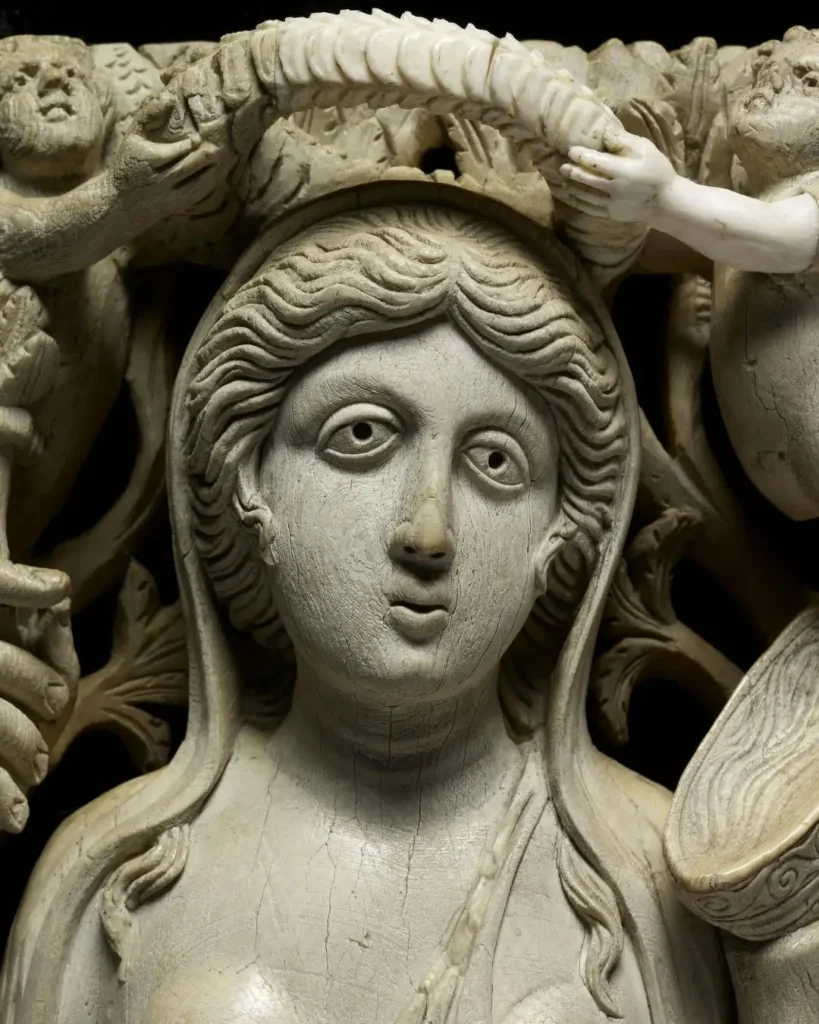
The Cluny Museum, located in a former medieval abbey, specializes in artifacts from the Middle Ages. Its collection includes the Lady and the Unicorn tapestry series, carved altarpieces, illuminated manuscripts and medieval goldwork. The museum also features remnants of ancient Roman baths, offering a rare example of Roman architecture within Paris.
The Panthéon
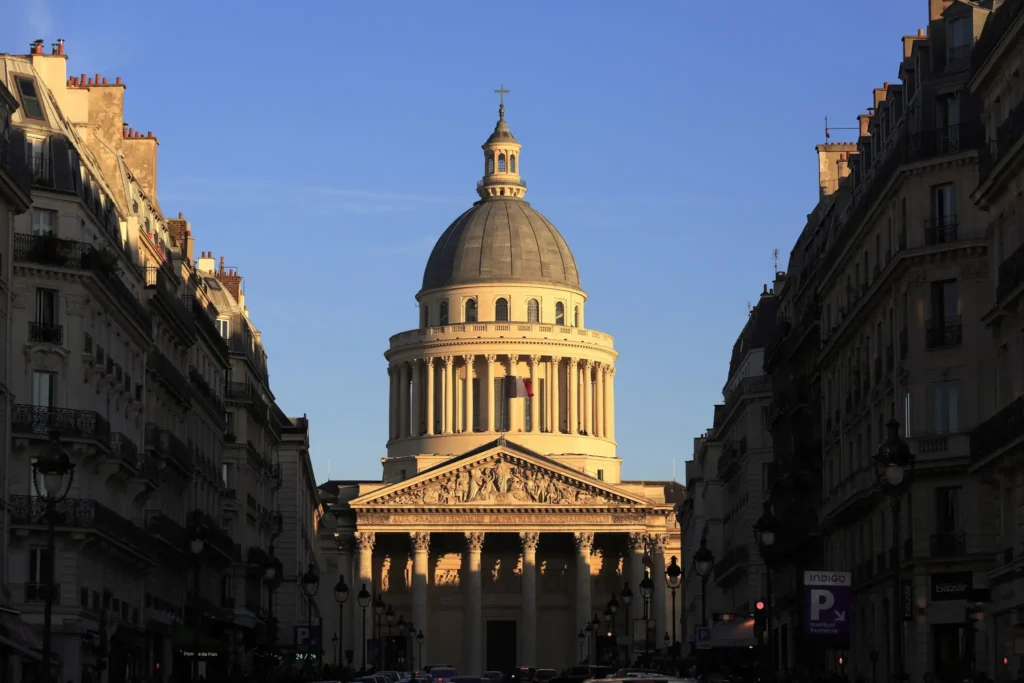
The Panthéon, modeled on the Roman structure of the same name, was originally a church and later repurposed as a secular mausoleum. It contains the remains of notable figures such as Voltaire, Rousseau, Victor Hugo and Marie Curie.
The building includes neoclassical sculpture, frescoes and a large central dome. Exhibits focus on science, philosophy and political history, making the Panthéon a location that emphasizes intellectual contributions to French society.
Wrap Up
Each of these locations plays a specific role in documenting and presenting Paris’s artistic and historical legacy. They differ in scale, focus and design, but together they provide a comprehensive view of how the city has engaged with visual culture, political change and public memory. For anyone interested in culture, these institutions represent essential points of reference.
