
Portugal isn’t the kind of place you rush through. It’s the kind of place that makes you slow down without even realizing it.
If you’ve been daydreaming about pastel buildings, golden beaches and cheap but dangerously good wine, this is your sign.
This guide is for the kind of traveler who likes a bit of everything. You want culture but also naps by the ocean. You want to see the must-dos without feeling like a tourist in a matching hat. You want to eat all the pastries without guilt and maybe dance it off later at a rooftop bar in Lisbon.
So if you’re planning your first trip to Portugal or coming back for round two, I’ve got you. From the cobblestones of Porto to the cliffs of the Algarve, here’s everything you need to know before booking that flight.
Why Visit Portugal
Portugal is small enough to cross in a day but packed with things that make you want to stay for weeks. It’s the kind of place that sneaks up on you… one pastel de nata at a time.
The coast is wild and cinematic, the cities are full of stories and the food somehow tastes better when you’re sitting on a random stool watching the world go by. You can spend your mornings exploring tiled streets, your afternoons by the water and your nights drinking vinho verde with new friends.
It’s also one of the few countries in Europe that still feels real. People talk to you here. They’ll tell you where to eat, warn you about tourist traps and probably share a bit of family gossip while they’re at it.
And let’s not ignore the weather. The sun seems to have a permanent address here. Even winter feels kind, which makes it easy to pack light and live out of a carry-on.
Portugal has a way of feeling like home even when you’ve just landed. It’s chill, warm and full of hidden corners waiting for you to accidentally fall in love with them.
Quick & Fun Facts About Portugal
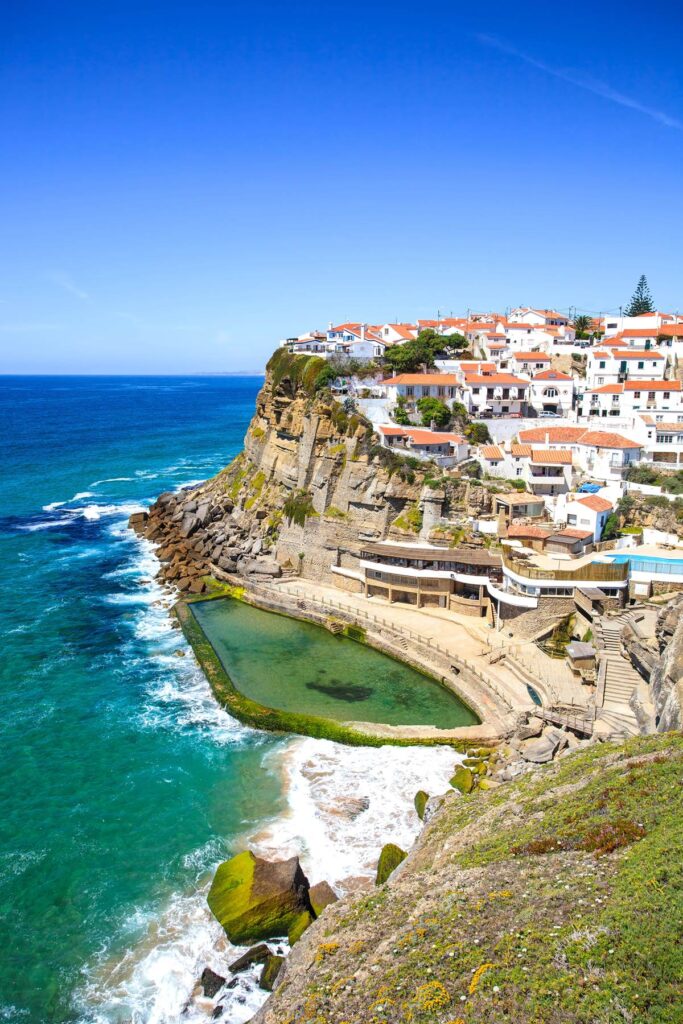
Capital: Lisbon
Language: Portuguese (but most locals speak English, especially in cities)
Currency: Euro
Time Zone: GMT
Electrical Plug Type: Type F (same as most of Europe)
Drives On: The right
Best Time to Visit: March to June or September to November (to avoid the crowds), but all year round is great too!
Best Time to Visit Portugal
Portugal doesn’t really do bad seasons, but some months hit better than others.
Spring (March to May) is that sweet spot before the tourist swarm. The weather’s warm enough for rooftops but cool enough to walk without melting. Bring a light jacket for windy coast days.
Summer (June to August) is great if you like beach days and chaos. Lisbon and Porto get busy, the Algarve turns into a postcard, and prices go up. Pack linen and patience.
Fall (September to November) is my favorite. The crowds thin, everything’s cheaper, and the water’s still warm. Locals start talking slower, and the wine hits harder.
Winter (December to February) isn’t for snow chasers, but it’s cozy. Think quiet streets, misty mornings, and pastel de nata breaks. South stays mild, north gets moodier.
If you hate waiting in line for brunch or sweating through your outfit, skip August. If you want golden light, wine festivals and locals who aren’t stressed, go in late September.
TRAVELING TO Portugal SOON?
Here are my recommended travel resources:
- Book flights: Expedia & Kayak
- Hotels & Accomodation: Booking.com, Hotels & VRBO
- Tours & Activities: GetYourGuide
- Compare Car Rentals: Discover Cars
- Planning: Ultimate Portugal Travel Guide
- Travel Essentials: Portugal Packing List
How to Get to Portugal
If you’re flying in, you’ll probably land in Lisbon, Porto or Faro.
Lisbon is the main international hub with direct flights from most big cities in Europe and a few from the US. Porto’s airport is smaller but efficient and usually much less chaotic. Faro is best if you’re heading straight to the Algarve.
Trains connect Portugal with Spain but they’re slow. Flying is faster for long distances especially if you’re short on time. Inside the country domestic flights are quick and cheap between Lisbon, Porto and the islands.
If you’re already in Europe, budget airlines like Ryanair, EasyJet or Vueling have plenty of affordable routes. Just double check the baggage rules before you end up paying for your carry-on at the gate.
Driving in from Spain is also simple. Roads are smooth, tolls work by plate scanning and service stops have surprisingly good espresso!
Getting Around Portugal
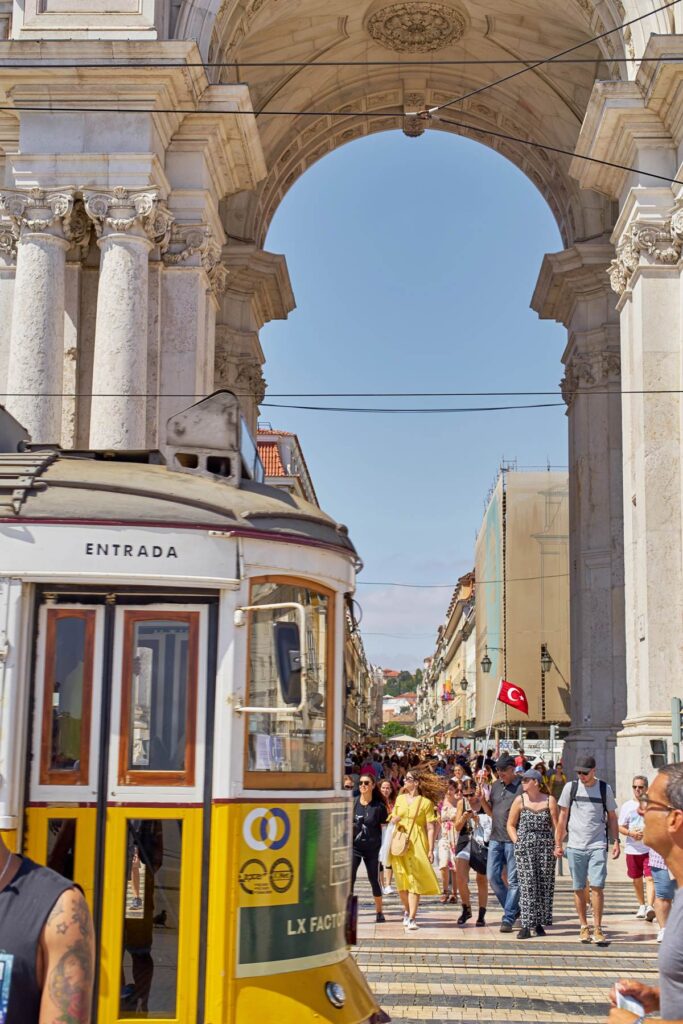
Portugal’s small so getting from city to city is easy.
Trains cover most routes and they’re clean, affordable and comfortable. The Alfa Pendular is the fast one that connects Lisbon, Porto and Faro. If you’re going to smaller towns you might need to switch to regional trains but they’re chill and usually on time (but attention for strikes!).
Buses fill in the gaps where trains don’t go. Companies like FlixBus and Rede Expressos are cheap and reliable. You can book online and show your ticket on your phone. Sometimes I get a bus from Porto to Lisbon for as cheap as 5 euros (price in 2025 for, reference).
Renting a car makes sense if you want to explore beaches or villages outside the main routes. Roads are smooth but parking in cities is a headache so drop the car before heading into central Lisbon or Porto. Also, tolls can add up and make a car ride quite expensive.
For short distances inside cities public transport works fine. Trams in Lisbon are cute but slow so mix it with the metro or rideshares if you’re in a hurry, uber is generally affordable. In Porto the metro connects the airport to downtown which is a win when you’re dragging luggage and regretting that extra pair of shoes.
Packing Guide for Portugal
Packing for Portugal is all about light and versatile. The weather can be warm, but you’ll need layers—especially if you’re heading to the mountains or the coast. Here’s how to pack smart, without bringing the entire closet.
Essentials:
- Comfortable shoes: You’ll be walking a lot, so make sure you’ve got a solid pair of sneakers or comfy flats for city exploring.
- Light jacket: Even in summer, the evenings can get cool, especially near the coast. A lightweight jacket or denim jacket is perfect for those breezy nights.
- Swimwear: If you’re hitting the beaches in the Algarve or the islands, make sure to pack at least one good swimsuit.
- Sunglasses & Hat: Portugal can get sunny, especially in summer, so pack some good sunglasses and a hat to shield yourself from the sun.
- Daypack: A small, foldable bag is ideal for daily adventures.
- Adapter: Portugal uses Type F plugs (two round pins), so bring an adapter if you’re traveling from a different plug system.
- Sunscreen: Even if you’re planning to mostly explore cities, sunscreen is a must.
- Water Bottle: Stay hydrated, especially when you’re exploring the hot, sunny days in the south or hiking in the islands.
Clothing:
- Light, breathable clothes: Portugal is pretty casual, so pack a few pairs of jeans or shorts, light tops and a couple of dresses or skirts for evenings.
- Layers: Mornings and evenings in Lisbon or Porto can be chilly, especially by the water. A cardigan or a light sweater can be lifesavers.
- Evening wear: Portugal’s cities have a decent nightlife scene, especially Lisbon and Porto. Pack one slightly dressier outfit like a dress or blouse for a night out if you’re planning on hitting rooftop bars or upscale restaurants.
- Rain gear: If you’re visiting in the fall or winter, pack a light rain jacket and an umbrella. Portugal’s weather can surprise you with a sudden downpour.
Tech:
- Camera: Portugal is insanely photogenic. Make sure to bring your camera or phone for capturing those scenic views, street shots, and sunset moments.
- Portable Charger: With all the walking and sightseeing, you’ll be charging your phone multiple times a day. A portable charger is a lifesaver when you’re out on the go.
Remember, Portugal is casual, but it’s also stylish. Comfort is key, but you can never go wrong with a little extra flair.
Entry Requirements and Visas
Portugal is part of the Schengen Zone so EU, UK, US, Canadian and Australian passport holders can enter visa-free for up to 90 days. Your passport just needs to be valid for at least three months after you plan to leave.
If you’re from outside those countries check if you need a Schengen visa before flying in. It’s usually the same visa that covers most of Europe.
Border control in Portugal is chill but they might ask for proof of onward travel or a return ticket. Some travelers also get asked for proof of accommodation and funds but it’s rare.
You don’t need travel insurance to enter but you should have it. Hospitals here are good but private care can get pricey fast.
Currency, Language and Essential Info
Portugal uses the euro and cash is still useful especially in small cafés or rural areas.
Most places take cards but always keep a few coins for coffee or pastel de nata emergencies, some places have a minimum spend for using debit cards, like 5 euros, or they only accept the national bank cards and not international cards. So, always have some money in cash with you.
The official language is Portuguese and locals appreciate when you try a few words. A simple “obrigado” or “bom dia” goes a long way. English is widely spoken in cities and tourist areas but less common in small towns.
Tipping isn’t a big deal here. Round up the bill or leave a couple of euros if service was great. Service charges are sometimes added automatically so double check before tipping twice.
Tap water is safe, SIM cards are cheap and Wi-Fi is strong in most places. If you’re renting an apartment always ask about heating or air conditioning because older buildings love to surprise you.
Overview of Portugal Regions
Portugal’s not big but it changes fast as you move around. Each region has its own vibe, food and rhythm:
- Lisbon and Central Portugal: The capital and the heart of the country. You’ve got hilly streets, trams that feel like time travel and nightlife that doesn’t know when to quit. Central Portugal mixes surf towns, medieval castles and random vineyards that have perfect cheese boards.
- Porto and Northern Portugal: This is were I live! It’s grittier and moodier in the best way. Porto has that creative energy you only get from cities that don’t try too hard. Head north for wine country, river valleys and tiny towns that still live like it’s the 80s.
- Algarve: All golden cliffs and beach bars. It’s touristy but for a reason. Go beyond the obvious spots and you’ll find hidden coves, slow mornings and sunsets that make you forget your phone.
- Alentejo: Where time slows down. Rolling fields, sleepy villages and food that’s way too good to rush through. It’s quiet but confident and home of the best Portuguese wines in my opinion.
- Azores: Nine islands in the middle of the Atlantic with volcanic lakes, green cliffs and cows that outnumber people. Think Iceland but cheaper and with better cheese.
- Madeira: A subtropical island made for hiking, wine and pretending you’re in a luxury perfume ad. The views are unreal and the seafood’s even better.
Top Cities to Visit
Lisbon: The capital is chaotic in a charming way. You’ll spend half your time climbing hills and the other half pretending you’re not out of breath. Expect crowds, beautiful architecture, good coffee and nights that end later than planned. Bairro Alto for bars, Alfama for views, LX Factory for that “cool local spot” energy.
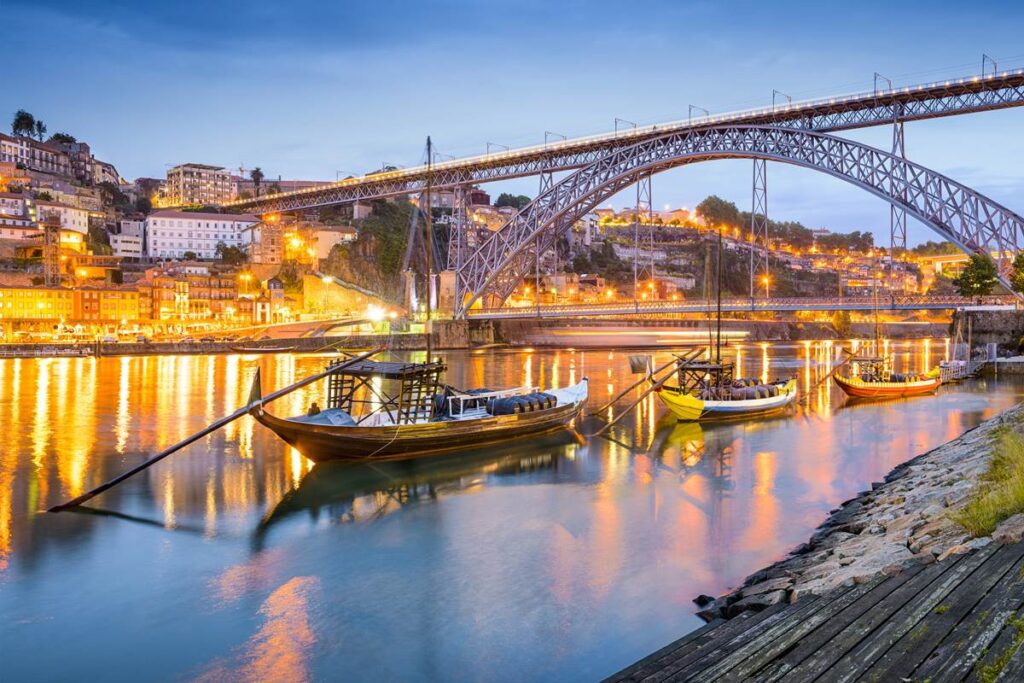
Porto: It’s moody, creative and a little rough around the edges which makes it better. Ribeira’s river views hit different at sunset and the wine cellars across the bridge in Vila Nova de Gaia are worth the hangover. Bring good shoes, the hills are serious.
Faro: Gateway to the Algarve. The old town has that faded coastal charm and the nearby islands are perfect for lazy beach days with fewer people and better seafood.
Coimbra: Student city vibes with history everywhere. The university is one of the oldest in Europe. You can walk everywhere, grab a drink by the river and catch a sunset that makes the whole city glow. It’s lively without being loud and feels like a secret everyone forgot to gatekeep.
Évora: Feels like walking through a museum but in a good way. Roman ruins and whitewashed houses. It’s walkable and authentic. You’ll come for the history and stay for the slow mornings with espresso and zero plans.
Braga: Smaller, cleaner and surprisingly cool. Known for churches but the café scene and weekend markets steal the show. Perfect base for exploring northern Portugal without the crowds.
Portugal has its fair share of iconic spots but some are definitely worth the hype, while others are all about the vibe.
Must-See Attractions and Landmarks
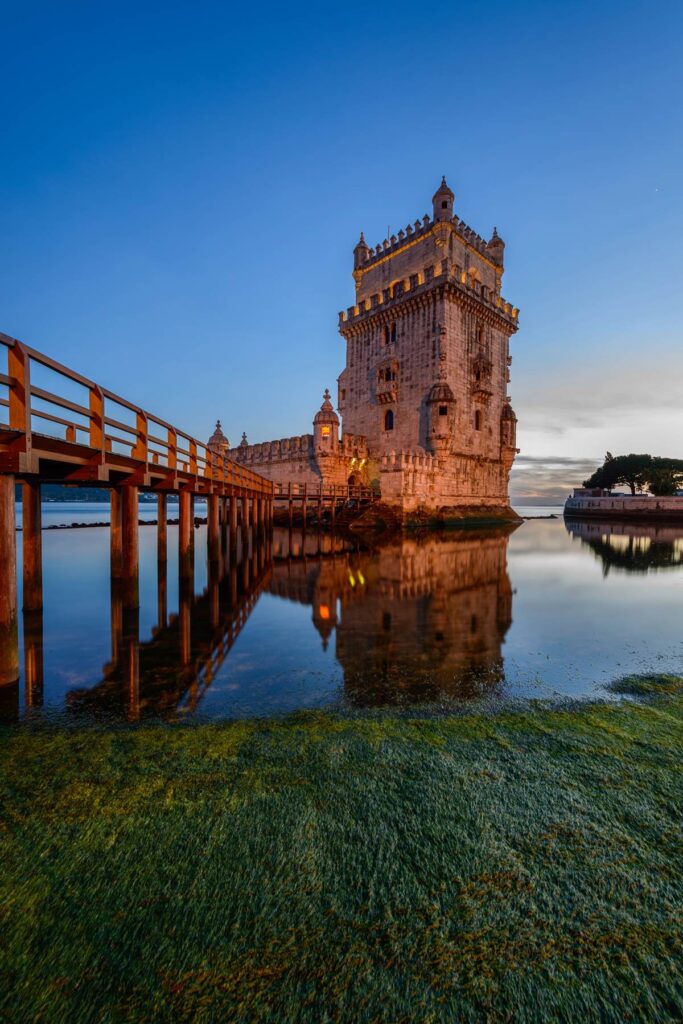
Belem Tower (Lisbon): Sitting pretty by the river, it’s a must-see for those who want to tick the “historic landmark” box. The real secret? The pastel de nata shop right around the corner.
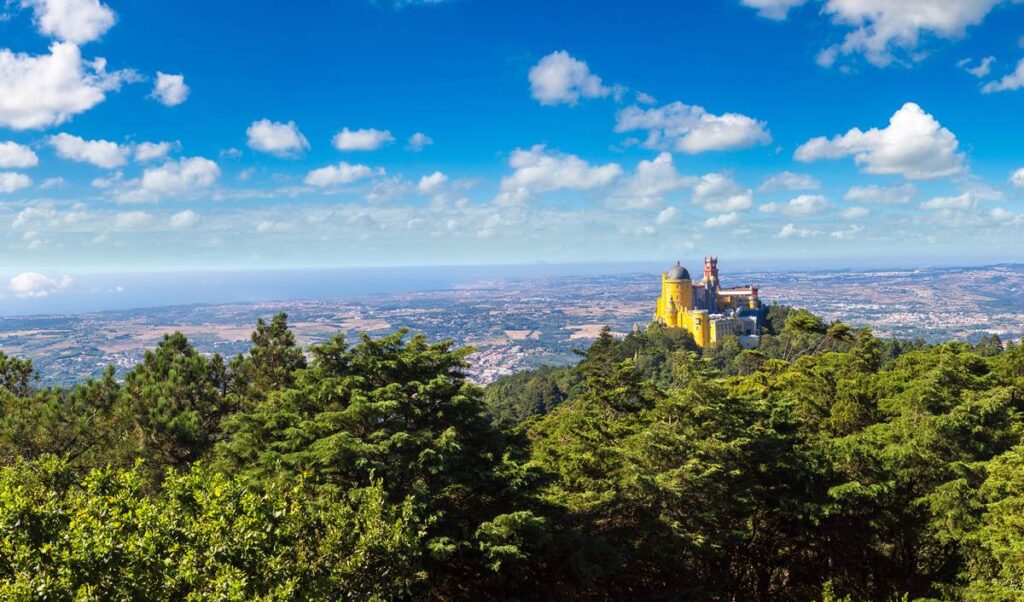
Palácio da Pena (Sintra): It’s like a fairy tale, but with more colors. A little dramatic? Sure. But that’s why you need to go. Take in the crazy architecture and get lost in the gardens. You won’t regret it, promise… You should spend more than one day in Sintra!
Livraria Lello (Porto): You’ve seen it on Instagram, now see it in real life. This bookstore is straight out of a dream and gets crowded fast, but it’s worth the chaos. Just don’t get distracted by the long lines outside. Go in, take it all in, and buy a book. Best time to visit is just before 19:00 (when it closes).
Praia da Marinha (Algarve): It’s the kind of beach that makes you stop and stare. The cliffs are dramatic, the water is insanely blue and there’s no better way to kill time than on a beach towel with a good book.
Capela dos Ossos (Évora): Not for the faint of heart but definitely for anyone who wants to see something offbeat. It’s a chapel made of bones. Yup, bones. The vibe is intense, but the story behind it is even more so.
Jeronimos Monastery (Lisbon): Another historic spot, but this one is all about those jaw-dropping details. The intricate stonework and towering arches make it feel like you’re stepping into a different century. You’ll want to take your time here, soaking in the grandeur and snapping a few photos for later.
Dom Luis I Bridge (Porto): Iconic, yes, but also the best spot for city views in Porto. If you’re not afraid of heights, take a stroll across the top and get a bird’s-eye view of the river and city below. Golden hour and sunset is the sweet spot…
Bom Jesus do Monte (Braga): This one’s not just a church, it’s a workout and a view all in one. The stairs up are a bit of a challenge, but once you reach the top, you’ll forget about the effort. The view of Braga from here is pretty unbeatable.
Furnas (Azores): Furnas is perfect if you want to chill in natural hot baths or just take a long walk in nature. Plus, the vibe here is so laid-back you won’t want to leave.
Madeira Botanical Gardens (Madeira): If you’re into bright colors and fresh air, these gardens are a must. You don’t need to be a plant expert to appreciate the beauty here. Wander around, take in the views of the city, and pretend you’re in a nature documentary.
Unique Experiences in Portugal
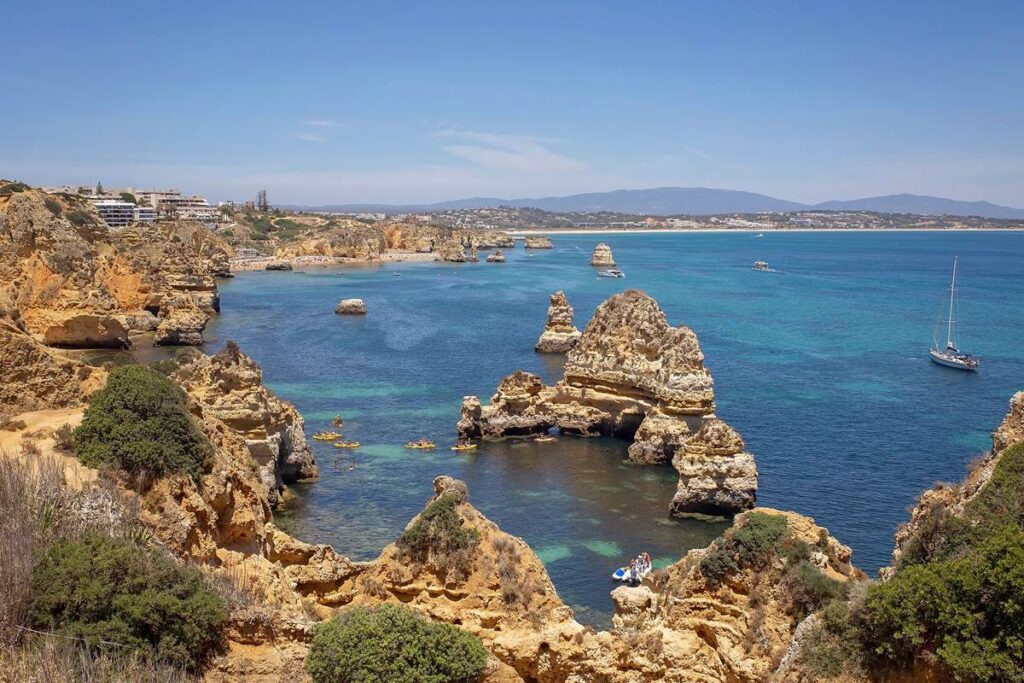
Portugal isn’t just about ticking off tourist spots, it’s about diving into those moments and experiences that you cannot easily get anywhere else:
Fado Music in Lisbon: If you’ve never heard Fado, it’s the kind of music that hits you in the chest. Deep, emotional, and raw. Find a small tavern in Alfama, grab a glass of wine and let the music transport you.
Wine Tasting in Porto: I mean, you’re in Porto, so yeah, it’s basically required. You can wine taste everywhere in Portal but in Porto; cross the Dom Luis I Bridge to Vila Nova de Gaia and check out the wine cellars. You’ll learn all about Porto’s famous port wine, sip it straight from the barrel and get several fun facts about the Port wine.
Surfing in the Algarve: The Algarve is perfect for surfing, whether you’re a pro or a total beginner. The beaches are big and the waves are friendly. There’s no better way to spend a morning than paddling out and catching some waves,.
Hot Springs in the Azores: Ever wanted to soak in a natural hot spring surrounded by misty mountains? Welcome to the Azores. Furnas is the place to be if you’re into thermal baths with an unreal view.
Pico Mountain Hiking (Azores): If you’re into hiking (and have the stamina), Pico Mountain is calling your name. It’s the highest peak in Portugal, and the views from the top make the sweat worth it.
Caving in Madeira: Madeira isn’t just about beaches and mountains. It’s got hidden caves too. Take a guided tour through volcanic caves and get a taste of the island’s dramatic underground world.
Food and Drink in Portugal
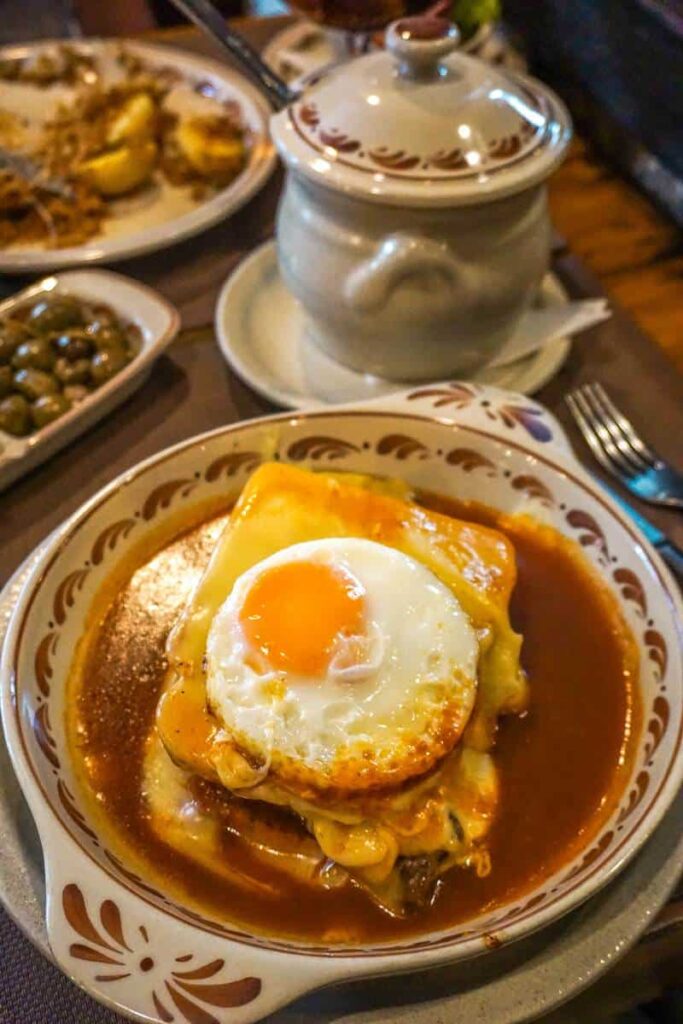
Let’s talk about the real reason you’ll want to extend your trip: the food. Portugal isn’t just famous for its seafood (though that’s a huge part of it), it’s also about the simple pleasures. I have a more comprehensive post about the best things to eat in Portugal but here is the quick view:
Pastéis de Nata: You’ve seen it everywhere, but there’s a reason why it’s the first thing you grab when you get here.
Bacalhau: Salted codfish, AKA the national dish of Portugal. It’s on every menu and served in a hundred different ways. You’ll either love it or wonder why they’re so obsessed with it. Either way, you’ll be trying it at least once.
Grilled Sardines: Head to any beach town or local festival and you’ll be smelling these on the grill.
Portuguese Wine: Forget the fancy stuff, go for a glass of house Vinho Verde (light, crisp and perfect for hot days) or indulge in a glass of Porto for the ultimate sweet finish to your meal.
Cheese and Charcuterie: Portugal has a thing for good cheese and cured meats, especially in the Alentejo region. Try Queijo de Azeitão (sheep’s milk cheese) and pair it with chorizo or cured presunto.
Ginja: If you’ve made it this far without trying Ginja, you’re doing Portugal wrong. This cherry liquor is sweet, strong and should be consumed as a shot (sometimes accompanied by a little edible chocolate cup).
Where to Stay in Portugal
Portugal offers everything from sleek city hotels to cozy, hidden gems in the countryside. Here’s how to choose where to crash based on what kind of trip you’re going for.
Lisbon: If you’re into trendy hotels with rooftop bars and city views, Lisbon’s got you covered. Areas like Baixa and Chiado are central and close to all the action. If you want something quieter but still close to the cool stuff, look at Alfama or Príncipe Real. They’ve got charm and a bit of local flavor.
Porto: Porto is small enough that no matter where you stay, you’re probably only a short walk from the best spots. Try Ribeira for riverside vibes or Cedofeita if you want a more artsy, local feel. Most of the neighborhoods have great cafés, shops and a more laid-back vibe than the usual tourist-heavy areas.
Algarve: The Algarve is all about those beach views and laid-back luxury. If you want to be right on the coast, Lagos or Albufeira offer a mix of relaxed beach towns with just enough nightlife. If you’re looking for something more quiet and remote, head to Tavira or Sagres for a chill atmosphere and breathtaking coastline.
Madeira: For that island getaway feel, Funchal is where the action’s at. It’s the largest city, with tons of restaurants and activities, but if you want peace and privacy, look for a spot in Porto Moniz or Caniçal, where you can unwind and breathe in the fresh air.
Azores: In the Azores, you’re staying in a natural wonderland, so think boutique guesthouses and rural retreats. Choose Ponta Delgada for a bit more buzz or go for Furnas or Santa Maria for more privacy and easy access to hot springs and scenic hikes.
Cultural Etiquette and Local Customs
Portugal’s a pretty chill place, but there are a few local customs and quirks you should know to avoid looking like a complete tourist.
Greetings: A simple “Olá” (hello) is expected when entering a estableshment or as first in contact with people.
Tipping: Tipping isn’t huge here, but it’s appreciated. Round up the bill in cafés or leave about 5-10% in restaurants if service was good. If you’re just grabbing a drink at a bar, you don’t need to tip unless you’re really feeling it.
Punctuality: Portugal runs on a more laid-back schedule. Dinner can start late (sometimes after 9 p.m.) and the vibe is much more relaxed than the “rush hour” mentality you might be used to. That said, if you’re invited to someone’s home, try to be on time. It’s still polite to respect that.
Dress Code: Portugal has style but it’s not about being flashy. Dress casually and comfortably, especially if you’re out sightseeing. Porto is a little more laid-back when it comes to fashion, while Lisbon loves a good stylish outfit. Just be ready to walk a lot, so comfy shoes are a must.
Public Behavior: Portugal’s pretty chill about public displays of affection but always be mindful of your surroundings. Keep your voice down in quieter places, especially when you’re in churches or historic sites.
Safety and Travel Tips
Portugal is one of the safest countries in Europe, but like anywhere, there are a few things to keep in mind to make sure your trip goes off without a hitch.
Pickpockets: They’re not everywhere, but they do exist in popular tourist spots. Keep your valuables close, especially in busy areas like Lisbon’s Baixa or Porto’s Ribeira. Use a crossbody bag or money belt and avoid flashing your phone or camera when you don’t need to.
Walking Around at Night: Portugal’s cities are generally safe to walk around at night. In Lisbon, stick to well-lit areas and avoid sketchy back streets after dark, especially in Alfama or Cais do Sodré. In Porto, Ribeira can feel a little quieter at night, but it’s still pretty safe. That said, always trust your gut.
Driving: The roads are well-maintained. If you’re renting a car, make sure you’re comfortable with narrow streets and tight parking situation, —especially in Lisbon and Porto. Parking can be tricky and expensive, so check if your hotel offers parking before you drive in.
Public Transport: Trains and buses are reliable and fairly cheap. In Lisbon, the metro is your best bet for getting around the city quickly. Just avoid the Alfama area if you’re traveling with luggage, it’s all hills and narrow alleys. For intercity travel, Rede Expressos and FlixBus are both great options.
Emergency Numbers: In case of emergency, dial 112 for police, fire or medical assistance.
Medical Care: Healthcare in Portugal is high-quality and accessible. If you’re coming from the EU, your EHIC card should cover medical care. For everyone else, travel insurance is a must!
Sun Protection: The sun here can be intense, especially during summer months. Always wear sunscreen (even if you’re just walking around the city) and bring a hat or sunglasses. Don’t underestimate the heat.
Portugal’s laid-back vibe and welcoming people make it easy to get comfortable. Just stay aware of your surroundings.
Wrap-up: Travelling Portugal
Portugal is a must visit destionation with historic streets, stunning landscapes and delicious food.
So get ready for a fab adventure, pack light, move at your own pace and let the rhythm of Portugal guide you. No matter where you go, you’ll find that the best parts of this country aren’t just the sights, they’re the moments in between.
